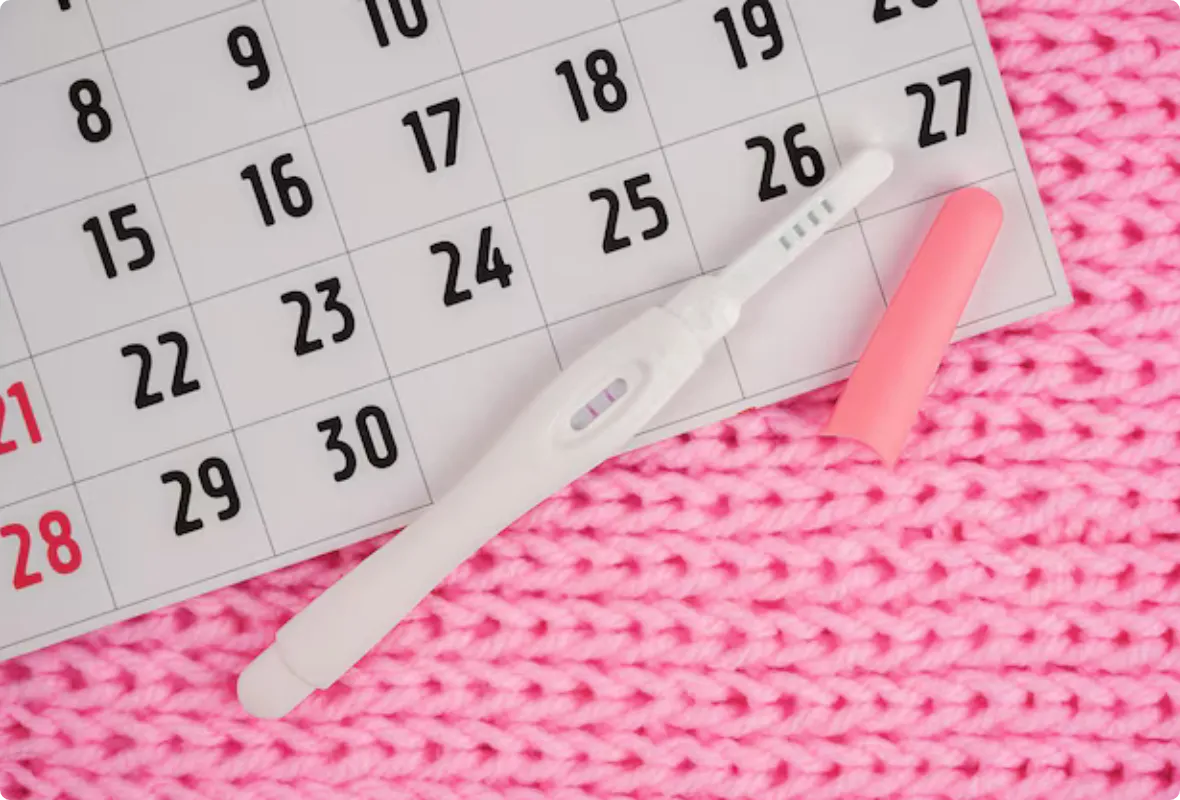
Month after month of trying and still no clue which days matter? Plenty of women in Dubai feel exactly that way before they book. Apps guess. Ovulation sticks can confuse too (two lines, but is the second one dark enough?).
An ovulation assessment in Dubai with our doctor, Dr. Zohreh Kazemi, takes the guessing out of it. She checks whether you ovulate at all, roughly when it happens and what that means for the months ahead.
Calendar maths only works if a cycle behaves like a textbook. Most don’t, at least not every month. Ovulation detection looks at what the body is really doing, through hormone tests, scans or both.
Benefits of ovulation assessment
- You stop treating the whole month as a maybe and focus on the days that count
- Real ovulation detection comes from blood tests and scans, not an app’s average
- Irregular ovulation gets flagged now rather than a year from now
- Advice follows the cycle and symptoms rather than a standard handout
- You learn whether more fertility tests would help and which ones
- Fewer anxious evenings staring at a tracking app
What is ovulation assessment?
It’s a set of checks that answers two questions. Do you ovulate? If so, when?
Our doctor often suggests it for women with irregular periods, couples who have been trying to conceive for a while and anyone with hormone worries that might affect fertility.
There’s no single fixed version. Ovulation prediction might mean tracking a couple of cycles, a hormone blood test, an ultrasound or a mix. What you get depends on the question she’s trying to answer.
Ovulation and fertility concerns we treat
Our doctor sees women with a wide mix of ovulation and female fertility problems, including:
- Irregular or unpredictable ovulation
- No clear sense of when the fertile window falls
- Ovulation problems linked to PCOS
- Cycles with no regular pattern
- Hormone issues that affect ovulation
- Trouble conceiving
- Fertility planning and ovulation tracking
She won’t order every test on that list. Symptoms, cycle, medical history and plans decide what’s actually useful.
Why choose our doctor for ovulation assessment?
- Tests timed to the cycle: blood tests and scans land on the days that suit the cycle, not on a generic day 21
- Symptoms decide the plan: irregular periods, possible PCOS or a long spell of trying all shape which tests she recommends
- Next steps you can act on: you leave knowing what to try next month, with more than a lab report in hand
- No blanket testing: you only have the tests that make sense. She tells you why each one matters
How ovulation assessment supports fertility
Getting pregnant is partly about timing. Each month there’s only a short stretch when sex can lead to pregnancy. An ovulation assessment for fertility shows where that stretch falls.
The science fits in two lines. The egg survives for roughly 12 to 24 hours after release. Sperm can last up to 5 days, which is why the fertile window starts several days before ovulation.
The assessment also teaches a fair bit about how the cycle works along the way.
Ovulation assessment methods
Nothing complicated here. Our doctor picks the method after hearing about the cycle and medical history. Sometimes she uses more than one.
Hormone testing for ovulation
Blood tests show the levels of hormones tied to ovulation. Timing matters. Progesterone rises after ovulation, so a test about a week before the next period can confirm it happened (day 21 in a 28-day cycle). Our doctor works out the right day from the usual cycle length.
High prolactin and thyroid problems can also stop ovulation, so those can be checked too. Our preconception health screening covers the wider hormone picture.
Pelvic or transvaginal ultrasound
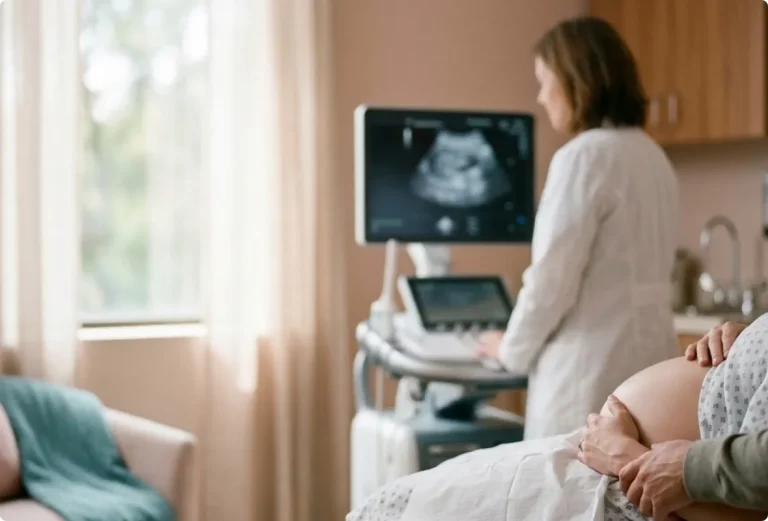
Scans let our doctor watch the follicles, the tiny fluid-filled sacs in the ovaries that each hold an egg. The clearest view usually comes from a transvaginal scan, where a slim probe goes a little way into the vagina. It sounds worse than it is and takes a few minutes.
Over two or three visits mid-cycle she can see a follicle grow and then release its egg. Our pelvic ultrasound page explains the scan itself.
Menstrual cycle assessment
History often tells as much as the tests do. Expect questions about how long cycles run, what the periods are like, any spotting or pain and anything a previous doctor flagged. Put next to the results, that starts to make sense.
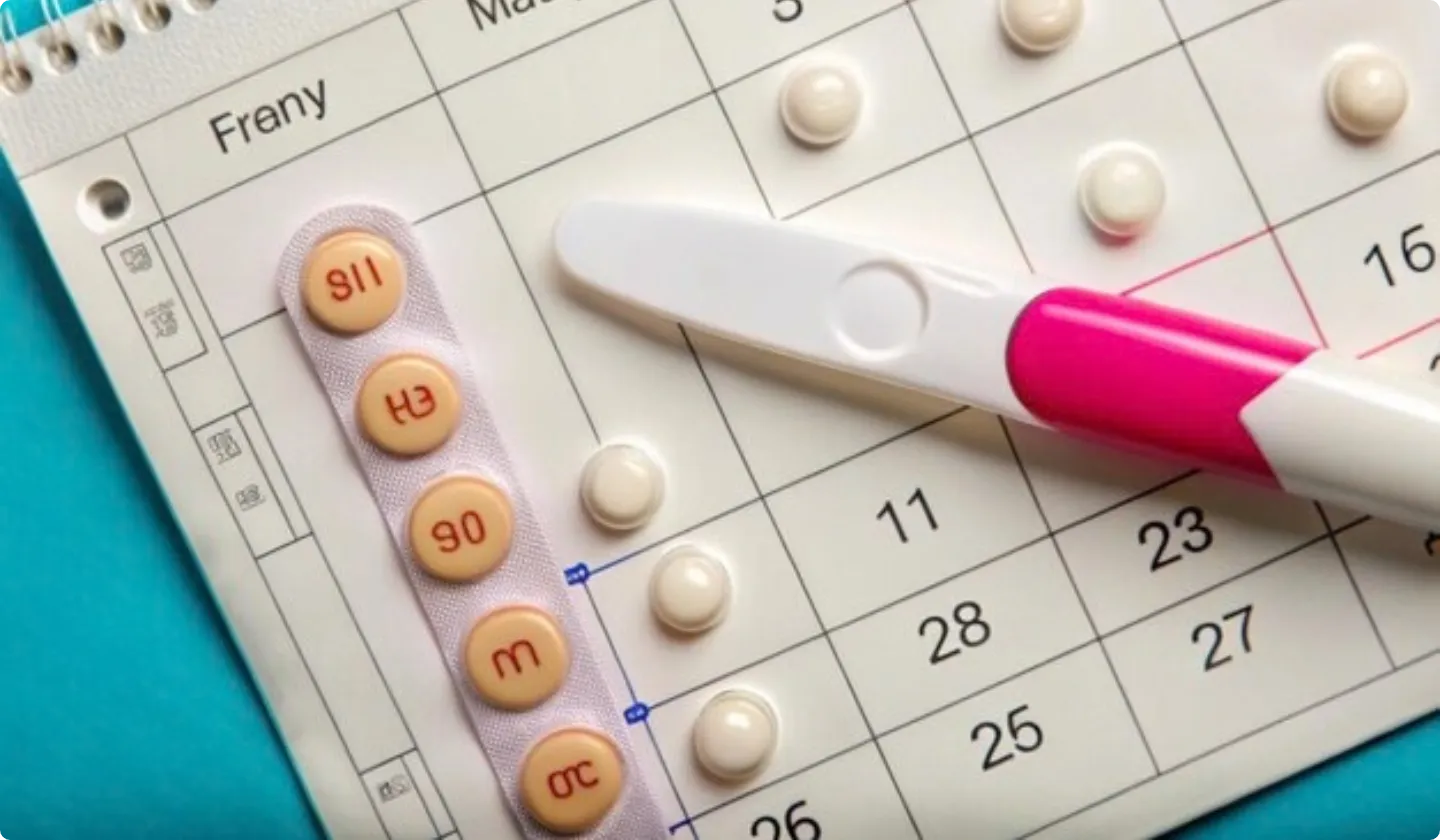
Ovulation assessment test for women
The ovulation assessment test for women varies a lot from one patient to the next. One woman might need a single blood test, while another needs a run of scans. A few need both.
Our doctor chooses tests around the cycle and what you’re hoping for. When the results are back, she sits down with you, explains them in plain terms and maps out next steps with pregnancy plans in mind.
Home ovulation tests versus a clinic assessment
Home ovulation kits detect the LH surge, the hormone spike that tells the ovary to release an egg. ACOG says a positive kit points to ovulation within 24 to 48 hours.
Kits have limits. They show the body is trying to ovulate, not that an egg was released, according to Orlando Health. They also work less well with irregular cycles or PCOS, where high LH can give a false positive.
Basal body temperature charting only confirms ovulation after it has happened, so it can’t tell you when to try. Calendar apps assume ovulation lands on day 14. It usually falls about 14 days before the next period, which makes day 14 right only for a 28-day cycle.
A clinic assessment checks what the hormones and the follicles are doing. Orlando Health describes home kits as a good starting point and only one piece of the puzzle.
When should ovulation be assessed?
A good time to book is when fertile days are hard to predict or trying is taking longer than hoped.
Other signs worth mentioning:
- Irregular or missed periods
- Cycles that run very long or very short
- Suspected PCOS
- Trouble telling when you ovulate
- Fertility worries from the past
- A need for broader female fertility testing
Under 35 and a year of trying with no pregnancy? Time for a proper look. From 35 onward, six months is enough, according to ACOG and ASRM guidance.
Female fertility testing and ovulation
Ovulation is one piece of the puzzle. Depending on history, female fertility testing may also include other hormone checks, an ultrasound or further investigations.
If needed, our doctor orders extra tests and reads the results alongside the menstrual and reproductive history. That’s sometimes where the real answer turns up. Our fertility tests page lists what the wider workup can include.
What happens at the appointment?
The first visit starts with questions about periods, past pregnancies, medicines and how long you’ve been trying. A cycle diary or app history helps if you keep one.
Our doctor then decides what to check and when. That might be a blood test the same day, a scan or a plan to come back at a specific point in the cycle.
After the assessment
Results tell you whether you ovulate, roughly when and whether anything is getting in the way. Our doctor explains them in plain terms and lays out the next step, whether that’s timing sex around the fertile window or testing further.
Two weeks after ovulation, a pregnancy blood test can confirm the outcome.
Book an ovulation assessment in Dubai
Not sure when you ovulate? Wondering if the cycle is as regular as it should be? A proper assessment gives you answers and a plan to go with them.
Book a consultation or call +971 54 555 0770.
FAQs
How can I tell when I'm ovulating?
Cervical mucus that turns clear and stretchy, a small rise in morning body temperature and mild cramps can all hint at it. None of them is conclusive on its own, so tests give a clearer answer.
Can an ovulation assessment help me get pregnant?
It shows when ovulation happens, which makes the fertile window easier to plan around. A clearer idea of when to try often follows.
Is an ovulation assessment painful?
Most are simple. Blood tests involve a small needle. Ultrasound monitoring is generally well tolerated, though a transvaginal scan can feel uncomfortable for a moment.
How long does an ovulation assessment take?
It depends on the cycle. Some women need one blood test, while others come back for scans across a few days mid-cycle. Our doctor explains the schedule at the first visit.
How much does an ovulation assessment cost in Dubai?
The price depends on which tests are needed, since blood work and scans are priced separately. Call +971 54 555 0770 for an estimate before booking.