Couples tend to put more research into a pram than into their own health before a baby. Fair enough, prams are more fun. But a handful of checks before you conceive can save you a lot of worry later, which is why preconception health screening in Dubai with me is a good place to start.
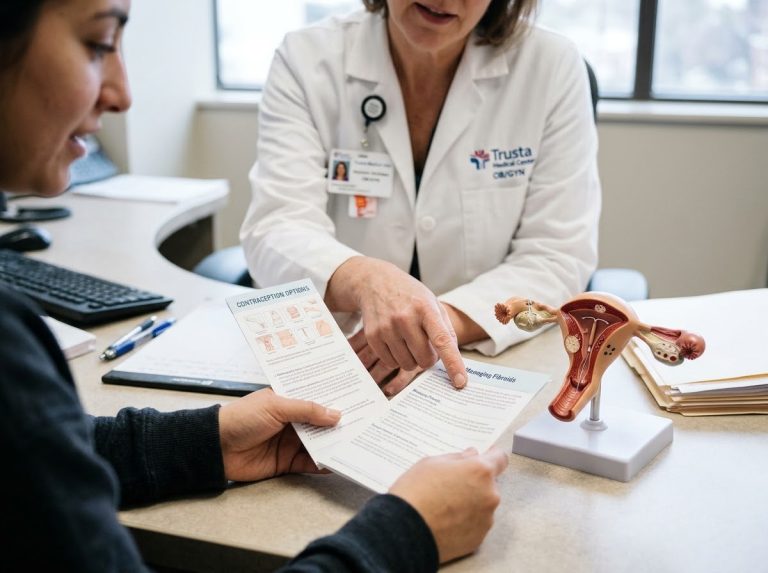
I’m Dr. Zohreh Kazemi, an obstetrician and gynecologist at Trusta Medical Center in Downtown Dubai. Your first visit is mostly talking. I want to know about your cycle, any earlier pregnancies, the medication you take and whether anything runs in the family. I decide on tests after that.
The list differs a lot from one woman to the next. Some need a blood count and a rubella check and nothing else. Others need their thyroid hormones looked at, or carrier screening.
Why choose Dr. Zohreh Kazemi for preconception health screening
- Only the tests you need. A 28 year old with regular cycles won’t get the same list as someone with PCOS or thalassemia in the family.
- Results in plain language. I go through each number with you and tell you whether it needs any action.
- One full picture of your history. I review your periods, past pregnancies, medical conditions and family history in the same visit.
- Straight answers on genetic tests. If carrier or genetic screening makes sense for you I’ll say so. I’ll also tell you when it doesn’t.
- Time to sort problems out early. An underactive thyroid or low iron is simpler to correct now than at 20 weeks.
- The same doctor for follow-up. When a result needs a second look, you come back to the gynecologist who ordered it.
Preconception health screening for pregnancy preparation
Pregnancy doesn’t come with guarantees. You can find out where your iron, thyroid and vaccinations stand before you start, which beats hearing about a problem at your first scan.
There’s no set menu. I shape your screening around your history, so depending on what the consultation turns up, it may include:
- A medical history review: long term conditions, past operations and any treatment you’re on now
- A reproductive health assessment: how regular your cycles are, earlier pregnancies or losses and anything that worries you about conceiving
- A medication review: prescriptions, vitamins and herbal remedies, since some aren’t safe in pregnancy
- Blood tests chosen to suit your health and history
- Infection and immunity screening, including a rubella immunity test and a chickenpox check in case you need a vaccine first
- A hormone and thyroid assessment, for irregular cycles or tiredness you can’t explain
- Preconception genetic screening, if an inherited condition runs in your family or background
- Carrier screening, a blood test for genes you may carry without knowing
What do preconception tests check?
Put simply, anything that could affect you or the baby once you’re pregnant. The tests don’t come as a fixed bundle. I might suggest two of the options below, or all four, or just a basic blood test.
Preconception blood tests
These check your blood count, blood group, thyroid and whether you’re immune to infections like rubella. I may also test your iron. Low iron is common and it’s easier to fix before you get pregnant.
Rubella matters because it can cause serious birth defects if you catch it during pregnancy. If your immunity is low, the MMR vaccine is the answer. The NHS and CDC both say to wait at least one month after it before you try to conceive. Chickenpox works the same way.
Preconception genetic screening
Some health problems run in families. Others are common in certain parts of the world, like thalassemia in the Gulf. If that could be you, screening shows whether you need more checks before you try for a baby, such as genetic counseling.
Carrier screening
Being a carrier usually means nothing for your own health, so you’d never know. It only matters when you and your partner carry the same condition, because then the baby could inherit it. With thalassemia, two carrier parents have a 25% chance of an affected child in each pregnancy.
Carriers are not rare here. In Dubai Health Authority premarital screening, 8.5% of 6,420 UAE nationals tested were suspected carriers of a blood disorder.
Already had premarital screening? Bring the report. I’ll check what it covered and whether anything else is worth testing.
I explain which tests suit your situation and what a positive result would really mean.
Fertility and hormone assessment
Periods that come every six weeks, nthen every three. PCOS. Cycles where you’re never quite sure you’ve ovulated. Any of these can slow things down, so a hormone test for women or fertility tests before you start trying often save months of guessing.
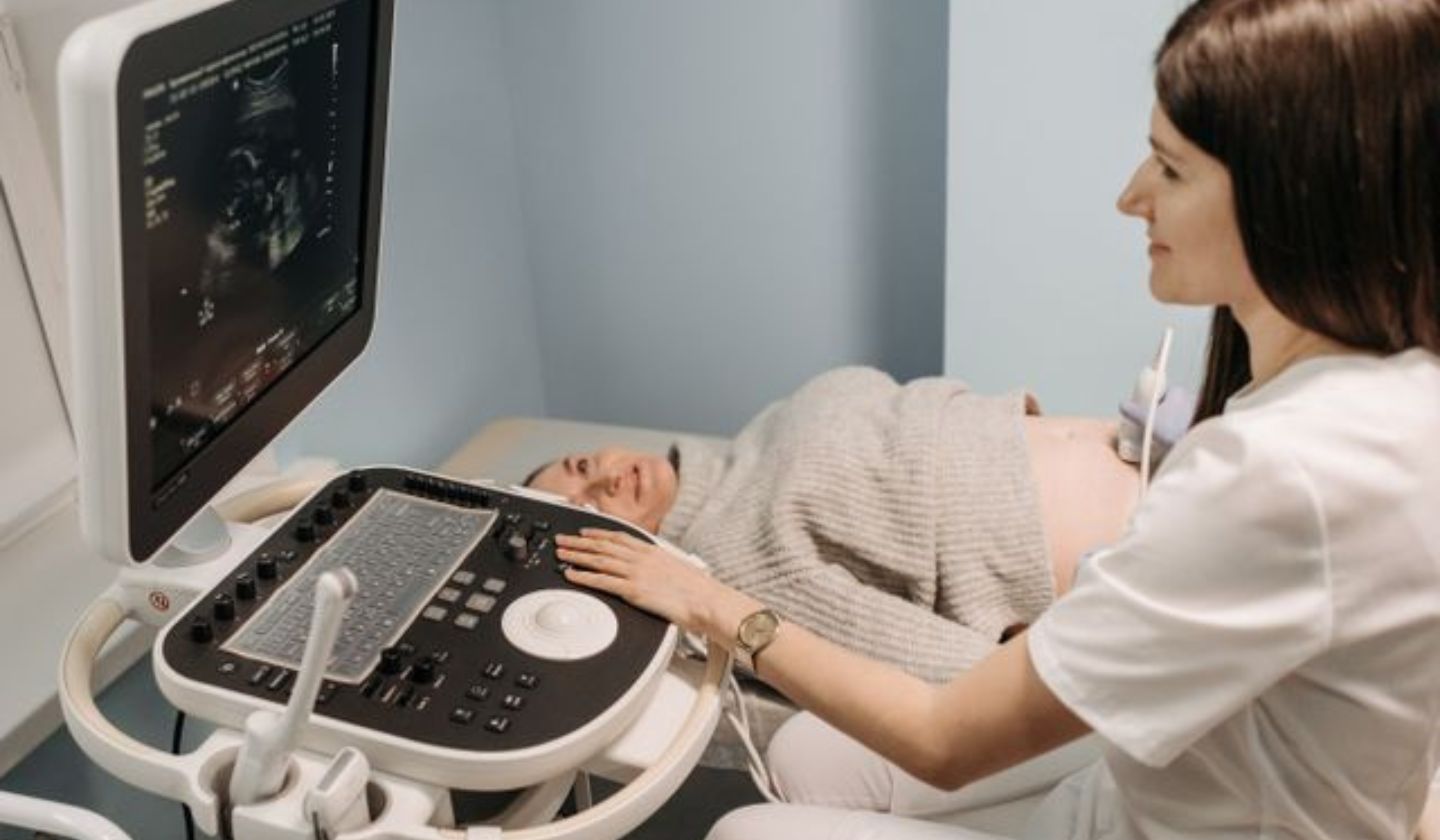
Preconception checkup in Dubai
Plenty of women turn up with a notes app full of questions and no idea which tests they need. That’s fine. Most first visits go exactly like that.
During a preconception checkup in Dubai I cover your reproductive health, medical conditions, medications, diet and daily habits. You leave with a short list of what to do next and a clear idea of what you can skip.
Preconception counseling with Dr. Zohreh Kazemi
Most pregnancy advice online is written for everyone, so a lot of it won’t match your health. Preconception counseling is just about you. I go over folic acid, what you eat, exercise, your medicines, vaccines and any habits you might want to change first.
When you start also matters. Folic acid does the most good before you conceive. NHS guidance is 400 micrograms a day from before you conceive until week 12.
Some vaccines need a gap too, so I tell you what to do and in what order. For the wider picture, see our preconception care page.
Who should consider preconception health screening?
Anyone planning a baby can book one. It’s especially worth it if you:
- Have PCOS or periods that don’t follow a pattern
- Live with a thyroid problem, diabetes or another long term condition
- Take medication every day
- Had a miscarriage or a difficult pregnancy before
- Aren’t sure whether you ovulate regularly
- Know of genetic conditions in your family
- Can’t remember when a doctor last checked your vaccines
- Just want to know which tests you actually need
If your history needs closer watching, high-risk pregnancy care picks up where screening leaves off.
Book your preconception health screening in Dubai
Get screened a few months early and you’ll have time to sort things out before you’re pregnant, with no rush. NHS Fife advises starting at least 3 months before you stop contraception.
Still on contraception? A family planning visit can help you plan the switch.
Ready? Book a consultation or call +971 54 555 0770. Bring your questions and any old test results.
Your partner is welcome too.
We’re open every day, 9:30 am to 10:00 pm at Trusta Medical Center in Downtown Dubai. Once you’re pregnant, antenatal care takes over.
FAQs
What preconception tests should I have?
This depends on your medical history. Most of the time, women will be tested for blood count, blood type, thyroid and rubella. Hormone or genetic testing depends on your medical history alone.
What tests should I have before getting pregnant?
Most women start with a blood count, blood group, thyroid and rubella immunity. Hormone or genetic tests depend on your history.
How early should I get screened before trying to conceive?
A few months early is ideal. NHS Fife says to start at least 3 months before you stop contraception. If you need the MMR vaccine, you wait at least a month after it before trying.
Do I need a rubella immunity test before pregnancy?
It’s worth checking. Rubella can cause serious birth defects if you catch it during pregnancy. Immunity can occasionally fade even after vaccination, so a blood test confirms where you stand.
What is carrier screening and do I need it?
It’s a blood test for genes you may carry without knowing. It matters most when you and your partner could carry the same condition, such as thalassemia, which is common in the UAE. Ask me if it makes sense for you.