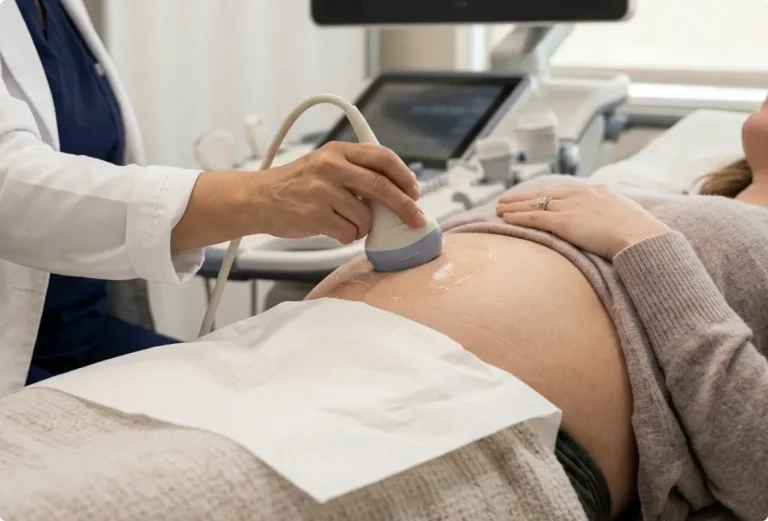

Tiredness, poor sleep, mood changes, and hot flashes can be overwhelming. Hormone Optimization Therapy at our Dubai clinic begins with diagnosing the cause of all those symptoms. Dr. Zohreh Kazemi, a seasoned obstetrician-gynecologist, will assess your symptoms, perform the necessary hormonal tests, and prepare an individualized program specifically to your needs. Hormonal replacement therapy (HRT), bio-identical hormone replacement therapy (BHRT), thyroid management, and lifestyle modifications might all be part of your program.
Book your consultation with Dr. Zohreh Kazemi, Trusta Medical Center, Downtown Dubai.
What Is Hormone Optimization Therapy?
The main components of the Hormone Optimization Therapy include evaluation of the hormones levels, evaluation of the symptoms of the patient and determining the necessity of treatment of the imbalance.
There are various functions of the hormones in the body, such as metabolism, reproductive system, sleep, moods, bones.
Depending on the symptoms of the patient, his medical history and test results, the Hormone Optimization Therapy can include changes in the lifestyle of the person, treatment of an underlying disease and hormone replacement therapy if it is necessary.
The hormone replacement therapy is one of the ways of treating the particular hormone deficiency in the body. There is also the bioidentical hormone replacement therapy.
Hormone Therapy for Perimenopause and Menopause in Dubai
Perimenopause often starts in your 40s. Your periods become irregular, and you may notice hot flushes, night sweats, poor sleep, and low mood. After menopause, low estrogen can also dry the vagina and weaken your bones.
HRT replaces the hormones your body makes less of. However, it is not the right choice for everyone. Dr. Zohreh Kazemi reviews your age, symptoms, and health history before she suggests it. In addition, she checks your progress regularly and adjusts your plan when needed.
If dryness is your main concern, read about our vaginal dryness treatment.
What Causes Hormonal Imbalances?
Changes in hormones may result from many causes. Finding the cause helps guide treatment.
The common causes are:
- Aging: Changes in the hormones may be associated with aging, perimenopause, and menopause.
- Reproductive health changes: Hormones may change due to pregnancy, postpartum period, and menopause.
- Thyroid problems: Underactive and overactive thyroid affect the hormones’ functions like metabolism, moods, weight gain, and energy level.
- Endocrine disorders: Disorders of the glands which produce hormones affect their production.
- Stress and insomnia: They both negatively impact the health of an individual.
- Medications and other health conditions: They affect the production of the hormones and their effects.
Only the symptoms do not confirm the existence of hormone imbalance. The whole medical condition should be evaluated.
Signs That May Indicate a Hormonal Imbalance
Hormonal changes may not necessarily impact people in the same manner. The symptoms vary depending on the hormones and the cause of the hormonal changes.
Some of the signs that one may experience include:
- Extreme fatigue
- Sleep problems
- Mood swings and irritability
- Menstrual changes
- Hot flushes/night sweats
- Low sex drive
- Changes in body weight/metabolism
- Concentration problems
- Changes in skin or hair
- Loss of muscle mass or bone density
All of these symptoms can be caused by factors other than hormonal imbalances.
Hormone Tests Before Treatment
Dr. Zohreh Kazemi chooses tests based on your symptoms. You may not need all of them.
| Test | What It Checks | Why It Matters |
|---|---|---|
| FSH and LH | Ovarian and pituitary signals | Helps explain irregular periods and menopause stage |
| Estradiol | Main estrogen level | Shows estrogen deficiency |
| Progesterone | Ovulation and cycle balance | Guides cycle and fertility concerns |
| TSH and free T4 | Thyroid function | Thyroid problems mimic hormonal symptoms |
| Testosterone | Androgen level | Checked in selected cases |
| Prolactin | Pituitary hormone | Can cause missed periods |
| Vitamin D | Bone and general health | Supports bone care plans |
Hormone levels rise and fall during perimenopause, so one result rarely tells the full story. Moreover, doctors often diagnose perimenopause in women over 45 from symptoms alone.
Benefits of Hormone Optimization Therapy
When healthcare providers confirm and appropriately treat hormonal deficiencies or imbalances, patients may experience improvements depending on their specific condition.
Appropriate treatment of hormonal conditions may lead to the following improvements:
- Proper management of symptoms: Proper treatment will treat the symptoms associated with the specific hormonal condition.
- Improved sleeping and comfort levels: Some of the hormone treatments will treat the menopausal symptoms such as hot flashes at night.
- Improvements in sexual function: Proper treatment will treat specific problems of sexual function caused by hormones.
- Protecting the bone structure: Some hormone treatments will protect bones of eligible patients based on the clinical indication.
- Improved daily functioning: Management of hormonal symptoms may improve the daily activities of the patient.
- Clearer treatment process: Testing of the hormones may reveal how the treatment should be applied.
Hormonal treatments will not result in improvements in energy, weight, and mood of the patients.

How Does Hormone Optimization Therapy Work?
This process starts with a medical examination followed by further steps based on the individual’s symptoms, tests, and the treatment required.
1. First Meeting
The doctor evaluates the symptoms, medical background of the patient, menstrual issues if any, ongoing treatment, and the overall health risks for the patient.A patient’s medical history and pregnancy-related concerns also help determine whether additional assessment is needed, particularly in a high-risk pregnancy.
2. Evaluation of the Hormones and Tests
Healthcare professionals perform blood tests or other investigations when necessary, depending on each patient’s condition and the suspected cause of the symptoms.
3. Suggested Treatment
The findings will be explained by the clinician along with the treatment options available.
4. Therapy and Follow Up
If therapy begins, healthcare professionals conduct follow-up tests to monitor changes in symptoms and laboratory results. They then adjust the treatment plan according to the findings.
HRT vs BHRT: What Is the Difference?
HRT replaces estrogen, progesterone, or both. BHRT uses hormones with the same chemical structure as the ones your body makes.
Some body-identical hormones, such as estradiol and micronised progesterone, come as regulated products. Compounded preparations are different, because their quality and safety data vary. Therefore, Dr. Zohreh discusses the exact product, dose, and evidence with you before you start.
Hormone Replacement Therapy and Other Treatment Options
The Hormone Optimization Therapy encompasses a large category. It would depend on what kind of hormone is affected and what kind of symptoms lead to therapy.
- Hormone Replacement Therapy (HRT): Applied when there is a need for the deficiency of a particular hormone and for some menopausal symptoms.
- Bioidentical Hormone Replacement Therapy (BHRT): Consists of hormones that are absolutely similar to the hormones of the body. It involves various types of preparations; safety data will depend on the specific preparation and method of preparation.
- Thyroid hormone therapy: Recommended for a certain set of conditions of the thyroid gland after diagnosis.
- Condition treatment: There are cases when the underlying disease treatment leads to improvement of hormonal problems, e.g., the thyroid gland disorders or other endocrine diseases.
- Lifestyle and health practices: Sleep, nutrition, physical exercise, stress control affect general health but cannot be a substitute for medical care.
- Local vaginal estrogen: Treats dryness and discomfort with a low dose.
- Pills, patches, or gels: You and Dr. Zohreh choose the form that suits your routine and health.
- Testosterone: Considered only in selected cases, with careful monitoring.
Treatment options are not interchangeable; they are dependent on the diagnosis, patient’s medical history, expected benefits and risks.
Who Is a Suitable Candidate for Hormone Optimization Therapy?
Hormone Optimization Treatment should be suggested for those who have symptoms of the disorder or hormone deficiency.
Consultation with a doctor is particularly important for those who have persistent menopausal symptoms, irregular menstrual cycle, problems associated with the thyroid gland disorders or any other concerns which require investigation of hormones.
The treatment is not prescribed due to aging, fatigue, change in body weight or attempts to increase overall well-being. Hormone levels should be evaluated in connection with the symptoms and medical history of patients. Some patients need additional testing or alternative treatment methods.
Side Effects and Risks of Hormone Optimization Therapy
Hormonal side effects vary based on the type of hormones, the dosage, the mode of administration, duration of administration, and the health risk associated with each individual. There are many potential complications related to hormone administration; therefore, a discussion should take place before hormone therapy.
Some of the side effects of hormonal therapy are as follows:
- Headache or nausea
- Tenderness in breasts
- Bloating or fluid retention
- Mood swings
- Menstrual flow alteration
- Skin irritation from some topical drugs
There may be higher risks associated with some types of hormone therapy. The nature of these risks will vary from drug to drug, depending on the individual’s health history as well as the specific risks associated with each hormone. Some of the cases involving high risks include blood clots, stroke, gallbladder disease, and the risk associated with certain types of cancer. You should seek medical assistance immediately if you experience any signs of chest pain, shortness of breath, and weakness on one side of the body.
How Much Does Hormone Optimization Therapy Cost?
The cost of Hormone Optimization Treatment varies depending on the kind of assessment and therapy needed. There is no set fee for everyone.
There are a number of things which may affect the overall cost and these include:
- Consultations costs: Cost of initial assessment and analysis of medical history.
- Tests: The kinds of hormones tests or further testing to be carried out.
- Treatment or medication: The product and dosage prescribed.
- Delivery: Different products have different delivery methods and this will determine the cost.
- Reviews: Cost of monitoring and follow up tests during treatment.
A detailed estimate should then be given once the therapist decides what to do. Please check out the cost of consultations, tests and treatments before scheduling your appointment.
Why Consult Dr. Zohreh Kazemi for Hormonal Health?
Dr. Zohreh Kazemi will assist you to get an understanding of your symptoms, review your past medical history, and talk about the importance of hormonal testing in your case. A proper assessment is necessary to differentiate between your hormonal problem and the other possible medical problems.
It is important to discuss the reasons for performing certain tests, the various treatment options, the benefits of the treatment, the side effects of the treatment, and follow-up treatment. Hormonal therapy must be used appropriately for individual health condition.
FAQs
What is the primary aim of Hormone Optimization Therapy?
Its aim is to evaluate the issues related to hormones and treat any hormonal imbalances or deficiencies if required from a medical perspective.
How will I know if I am having hormonal imbalances?
Conditions like fatigue, changes in sleep pattern, menstrual issues, or hot flashes may arise due to various reasons. Medical evaluation along with the test will be helpful in finding out the reason.
Does Hormone Optimization Therapy mean HRT?
No, Hormone Optimization Therapy is a general term, whereas HRT involves replacement of particular hormones when there is clinical requirement.
Is Hormone Optimization Therapy safe?
Safety depends on the type of hormone, dosage, patient’s medical history, and risk factors. The clinician needs to explain the advantages and disadvantages and provide for proper monitoring.
Which tests are needed before therapy?
Tests depend on patient’s symptoms and suspected diseases. A specialist decides what kind of tests, either hormones tests or others, are required for the patient individually.