
Feeling healthy doesn’t always mean everything is healthy. Cervical cell changes, hormone shifts and thinning bones can sit quietly for years, with no pain or warning signs at all.
Women preventive health care in Dubai is built around catching those quiet changes early. Dr. Zohreh Kazemi, our obstetrician and gynecologist, reviews medical history, family history and lifestyle, then recommends only the checks that make sense for age and health.
Plenty of women book a check-up because something feels off. Plenty more come with nothing wrong, just a long overdue list of screenings. Both are good reasons.
Benefits of women preventive health screening
Screening works best when it starts before symptoms do.
Problems get found early
Most conditions start slowly and stay silent at first. A screening can pick up cervical changes through a Pap smear, breast changes, low bone density, hormone imbalance and early blood sugar or blood pressure problems. Early findings give far more treatment options.
Ongoing symptoms get explained
Irregular cycles, constant tiredness, unexplained weight change, shifting hormones and changes in menstrual bleeding all have causes. Our doctor suggests the tests that fit the symptoms rather than a random panel.
Health gets tracked over time
One appointment shows a snapshot. Regular check-ups show a trend, with each result compared against earlier ones. That makes it easier to spot a change that looks small but keeps moving.
Decisions get easier
Results turn into a clear next step: keep watching, adjust lifestyle, run another test or start treatment. Guesswork drops out of the picture.
Long-term women’s wellness gets a head start
Prevention often costs less in time, money and worry than treating a problem that has grown. It also protects health through every stage, from the reproductive years to menopause.
Why women’s preventive health matters
Preventive care for women finds risks before symptoms appear. The usual building blocks are regular check-ups, screenings, vaccines and lifestyle advice. Together they lead to better outcomes and a better quality of life.
Looking for women preventive health near me? Our clinic in Downtown Dubai is open every day, 9:30 am to 10:00 pm.
Clinical preventive services for women
Busy schedules, shifting priorities and simple uncertainty about what’s due mean many women skip routine checks. Our doctor helps close that gap by explaining which services apply and when.
Clinical prevention can include:
- An annual gynecological exam and physical examination
- A breast health assessment
- Cervical cancer screening
- Blood pressure checks
- Diabetes screening
- Cholesterol testing
- Vaccination advice
- Reproductive health services
- Menopause support
The HRSA-supported Women’s Preventive Services Guidelines cover most of these, along with contraception, sexually transmitted infection counseling and anxiety screening. Our doctor weighs age, health background, symptoms and personal needs when deciding which ones come first.
Women’s health screening checklist by age
Guidelines vary a little between countries and health organizations, so treat this as a rough map. Our doctor adjusts it for family history and risk factors.
Stage of life | Often worth reviewing |
|---|---|
20s | Cervical screening from age 21, vaccines such as HPV, contraception, sexual health and STI checks, blood pressure |
30s | Cervical screening every few years, pregnancy planning, hormone and thyroid concerns, diabetes risk, mental health |
40s | Breast cancer screening and mammogram decisions (HRSA says to start between 40 and 50), blood sugar and cholesterol, perimenopause changes |
50s | Breast and cervical screening, bone health, heart health, menopause support |
65 and older | Bone density test at least once, continued breast screening through at least 74, vaccines, falls and fracture risk |
The HRSA guidance covers cervical cancer screening for average-risk women aged 21 to 65, with a Pap test every 3 years from 21 to 29.

What a well-woman visit includes
A well-woman visit is an annual preventive appointment for routine checks, vaccines and advice before anything goes wrong. HRSA guidelines list it as the place to review preconception care and other preventive services too.
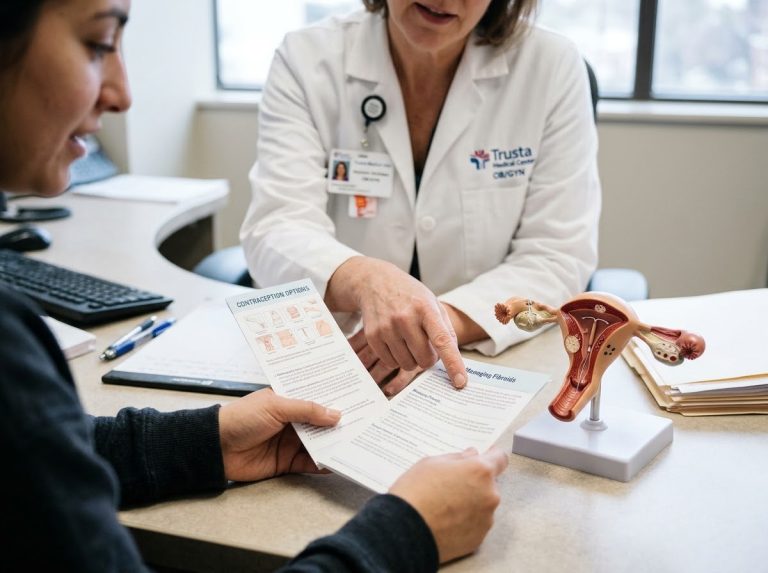
Expect a conversation first. Our doctor asks about periods, pregnancies, medicines, family history, lifestyle and anything that has changed lately. A physical check follows where it helps, with screening tests or referrals chosen from there.
The best preparation is simple. Bring the date of the last period, a list of medicines and supplements, past test results and the questions that keep coming back.
Pregnancy preventive care
Preventive care in pregnancy aims at good outcomes for mother and baby. It means regular check-ups, health monitoring and catching problems while they are still easy to manage.
Pregnancy preventive care can include:
- A preconception consultation, where preconception care fits in
- An assessment of the mother’s health
- Routine monitoring of the pregnancy
- Nutrition and lifestyle advice
- Early identification of risks
Prenatal care preventive services
Visits before birth track how the baby is growing, how the mother is doing and whether anything needs attention. Prenatal preventive services can include routine prenatal exams, pregnancy health check-ups, blood pressure and weight checks, laboratory tests, gestational diabetes testing, nutrition and lifestyle counseling and a risk review with follow-up.
Preventive care through menopause and beyond
Hormone changes can start years before periods stop. Hot flushes, poor sleep, mood shifts, dryness and bone loss all deserve attention. Many have treatments.
Women’s health preventive care in these years includes regular check-ups, breast and cervical screening, hormonal health evaluation, bone health and lifestyle advice.
Mental, emotional and sexual health
A good preventive visit makes room for feelings too. Anxiety, low mood, relationship worries and sexual health questions, including STI screening, are all fair topics. HRSA’s guidelines include anxiety screening and counseling on sexually transmitted infections as standard.
Some questions are hard to bring up elsewhere. A private conversation with a gynecologist is a safe place to start. Cervical screening is also part of this visit.
Who can benefit from women’s preventive healthcare?
Every woman benefits from regular check-ups. It matters most if you:
- Want to keep up with routine check-ups
- Plan to get pregnant
- Want to improve reproductive health
- Notice changes linked to perimenopause or menopause
- Have a family history of serious conditions
- Want to track blood pressure, blood sugar and cholesterol
- Suspect something is off with the menstrual cycle
- Just want a professional opinion on general health
Still on contraception, or switching methods? A family planning visit can handle that part.
Why choose our doctor for women’s preventive health care?
- A full view of women’s health, from reproductive health and pregnancy to hormones, menopause and general wellbeing
- Early detection, with recommended tests picked to catch problems sooner
- Advice built around medical history, age, symptoms and lifestyle
- A warm, unhurried atmosphere where concerns can be raised openly
- Care for every life stage, from the reproductive years through pregnancy to menopause
- Plain explanations of every test and result
Book a women’s wellness check-up in Dubai
Prevention is easier when someone helps with the plan. Book a consultation or call +971 54 555 0770. Dr. Zohreh Kazemi sees patients every day, 9:30 am to 10:00 pm, at our clinic in Downtown Dubai.
FAQs
What is women’s preventive healthcare?
Women’s preventive healthcare involves routine examinations, health screenings, tests, vaccinations, and professional advice aimed at detecting any possible health issues early and promoting good health in general. The kind of preventive care suggested may be different depending on various factors including age, health history, and lifestyle.
What preventive services are recommended for women?
The preventive services suggested for women can be routine wellness checkups, breast examination, cervical cancer screening, blood pressure monitoring, screening for diabetes and cholesterol, immunizations, counseling for reproductive health issues, and prenatal and postmenopausal care.
When should women start preventive healthcare?
Preventive care is necessary for women throughout their lifetime. Preventive health care can be performed from teenage years up until reproductive years, pregnancy, peri-menopausal, menopausal, and senior years. Type and frequency of screenings depend on individual health status and age.
What does preventive care during pregnancy include?
The components of preventive care during pregnancy may consist of the following: maternal assessment, pregnancy monitoring, risk assessment, nutrition advice, screening tests, and maintenance of a healthy pregnancy. Early and timely prenatal care is essential for detecting any problems and ensuring good maternal and fetal health.
How often should I have a well-woman visit?
HRSA guidelines recommend a well-woman visit every year for adult women. Our doctor may suggest tests less often depending on results and age.