

Uterine fibroids treatment is influenced by many factors such as the number, size, and location of fibroids, their symptoms, and future pregnancy plans. Some fibroids may just require monitoring, while other fibroids could require medication or other treatment methods for alleviation of the symptoms.
Dr. Zohreh Kazemi takes into account your symptoms, medical history, and reproductive health to provide you with the best approach to the fibroids treatment. Treatment can aim to reduce the amount of bleeding during menstruation, pain in the pelvis, pressure, and other symptoms taking into account the future health and fertility plans of the patient.
If you are looking for the best treatment for fibroids, Dr. Zohreh Kazemi can discuss your options, including Uterine Fibroids treatment, medical management, and other appropriate treatments based on your individual condition.
What Is the Best Treatment for Fibroids?
The best treatment for fibroids will depend on a number of aspects including the size and location of the fibroids, how many fibroids you have and the symptoms caused by the fibroids. There are some individuals who will not require any treatment at all.
Dr. Zohreh Kazemi will take a look at your symptoms and medical history to try and determine the best treatment for fibroids that will work for you. This may include regularly monitoring your condition, medications to help ease the symptoms of the fibroids as well as treating the fibroids.
Treatment of fibroids will include managing the symptoms you experience, ensuring that your fertility is maintained as well as proper treatment of the condition.
Benefits of Uterine Fibroids Treatment
- Avoidance of surgery
- Maintenance of fertility and uterus
- Decreased heavy menstrual bleeding
- Improvement in anemia
- Pain relief
- Improved quality of life
Dr. Zohreh Kazemi will assess your symptoms and overall health before recommending the most appropriate uterine fibroids treatment for your individual needs.
Medication for uterine fibroids treatment
The Medication for the treatment of fibroids should be prescribed so as to alleviate symptoms such as the pain in the pelvis and the excessive bleeding during menstrual periods. The right drug for treating fibroids will depend on the symptoms of the patient, her general health status, and the size of the fibroids.
Dr. Zohreh Kazemi will evaluate a patient’s condition prior to suggesting medication for the treatment of fibroids. Depending on each situation, this medication might be effective in treatments for heavy bleeding and pain as well as regulating the symptoms of menstruation and the influence of hormones on the condition of the uterus.
Dr. Zohreh Kazemi will evaluate a patient’s condition prior to suggesting medication for the treatment of fibroids. Depending on each situation, this medication might be effective in treatments for heavy bleeding and pain as well as regulating the symptoms of menstruation and the influence of hormones on the condition of the uterus.
If you need treatment for your fibroids, consult Dr. Zohreh Kazemi to evaluate your condition and explain your alternatives.
Medication for Uterine Fibroids
Medications can be used as a way to treat uterine fibroids as a means of treating fibroid-related problems like heavy menstruation, pain and pressure in the pelvis, among others. Dr. Zohreh Kazemi will base the recommendation on the size and location of the fibroids, the severity of the symptoms, overall health of the patient and future plans regarding pregnancy.
Medication for fibroids may depend on the individual patient and may be used to regulate heavy bleeding, treat pain and other hormonal symptoms or reduce the size of the fibroids for some time, or get you ready for other treatments.
Not all medications are capable of getting rid of all fibroids and therefore the best treatment for fibroids varies among patients. Dr. Zohreh Kazemi will evaluate your case and determine whether you need medical management, observation or other treatments.
Hormonal Medications
Sometimes hormonal drugs can be recommended to women as part of fibroids treatment if they experience such fibroids’ symptoms as heavy menstrual flow. The drugs can treat hormone-associated symptoms, and in some instances, they can shrink fibroids temporarily.
In case you need uterine fibroids treatment, Dr. Zohreh Kazemi will give you an explanation about existing options, their advantages, and side effects.
Medicines for Heavy Menstrual Bleeding
Heavy periods are among the most common symptoms of fibroids. There are some medicines which can help to lower the amount of blood flow during menstruation and make it easier but they won’t help to cure fibroids.
There are some medicines that may be used in fibroid uterus treatment along with watching how things go. In case if drugs don’t help, treatments for uterine fibroids can be recommended by Dr. Zohreh Kazemi.
Pain Relief Medication
When a case of uterine fibroids has been diagnosed in a woman, she may experience pelvic discomfort, pelvic tension, and/or menstrual pain. Therefore, the pain relief medications that can be provided include medicines specific to fibroid pain.
Although medications can relieve the symptoms, they cannot eradicate the fibroids themselves. In case pain is persistent or increases, Dr. Zohreh Kazemi will evaluate it and propose possible treatments for uterine fibroids.
Medications Used Before Fibroid Procedures
There may be some instances when the use of fibroid medications will have to be done prior to the method used for the treatment of the condition. These could vary depending on the symptoms that will need to be addressed prior to the treatment.
But in cases where the medications fail to provide control over the symptoms, Dr. Zohreh Kazemi will inform you regarding the other alternatives available for fibroid treatment.
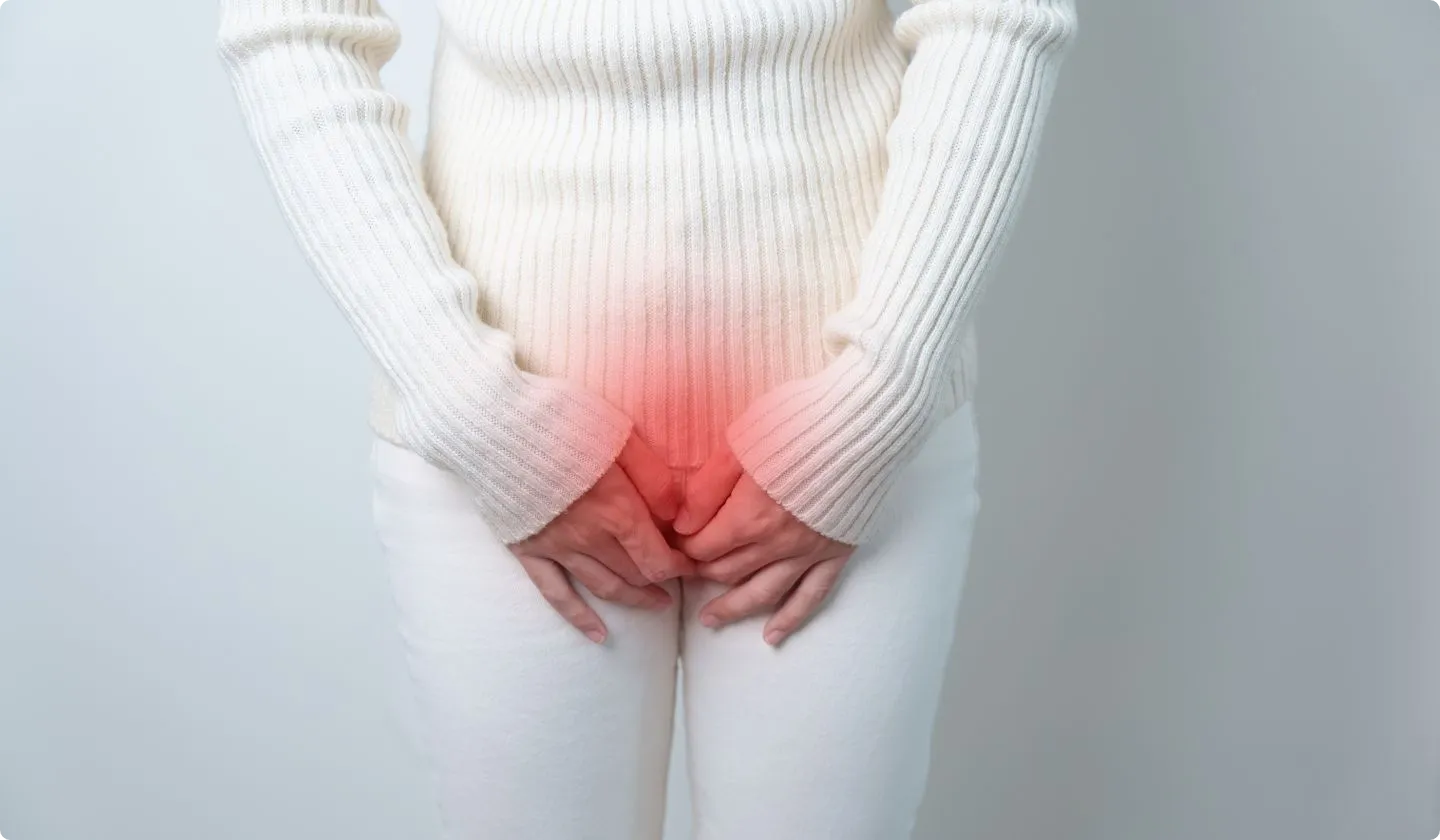
Medical Treatment of Fibroid Uterus
uterine fibroids treatment uterus aims mainly at treating symptoms such as prolonged menstruation, discomfort in the pelvic region, and need for pressure relief. Dr. Zohreh Kazemi will evaluate the size and location of each of your fibroids and your current symptoms. Depending on the severity of your case, the medication for fibroids may help you manage the cases of unintended heavy bleeding and relieve discomfort caused by such cases.
Certain medications can help with the symptoms caused by fibroids as well. The type of treatment for uterine fibroids that is the best choice for you depends on your health and other previous factors.
If medications do not deliver the expected results, Dr. Zohreh Kazemi can help you with more extensive treatments of the disease.
Non-Surgical Uterine Fibroids Treatment Options
There are other possibilities for uterine fibroids treatment without surgery that may help you get rid of the problem and preserve your uterus. The size and location of fibroids, the symptoms they cause, the person’s general health condition, and the wish to have a child in the future are some of the factors according to which Dr. Zohreh Kazemi will choose the most appropriate treatment option in each particular case.
Treatment for fibroids may include medication aimed at treating heavy bleeding and pain in the pelvic area. For some female patients, in addition to medications, other minimally invasive procedures can be considered in case of failure of the latter. The most effective fibroid treatment is determined individually, therefore Dr. Zohreh Kazemi will tell you about the possible ways out.
How Do You Know Which Fibroid Treatment Is Right for You?
Selecting the most appropriate type of treatment for uterine fibroids is based on the symptoms you are having, the size and location of the fibroids, general health, and whether you are planning to be pregnant or not.
That is why Dr. Zohreh Kazemi will first guide you in diagnosing and establishing goals. Some patients need some medication and monitoring whereas other patients will have to undergo surgery or a minimally invasive procedure. Age, how badly someone is experiencing excessive bleeding or pain in the pelvis, and how much of a hindrance these fibroids cause to normal functioning should all be considered when preparing for treatment. Dr. Zohreh Kazemi will explain all therapies to you, helping you understand their pros and cons.
Medication and Symptom Management
Women suffering from uterine fibroids should seek medication in order to minimize the effects of this condition. Dr. Zohreh Kazemi will examine the patient’s symptoms and determine the reason behind her fibroids along with her medical background to ascertain the appropriate course of action. This shows that this kind of treatment is necessary as this type of therapies can be performed only if there is no need for any surgical intervention. Specialist Zohreh Kazemi will monitor the patient’s progress and, if the treatment proves to be inefficient, suggest a different kind of treatment.
Surgical Treatment for Uterine Fibroids
In case there is a problem associated with uterine fibroids, such as pain or excessive bleeding, increasing fibroids or fertility issues found in fertility tests
, surgery might be considered. In case your doctor recommends you to go under the knife, Dr. Zohreh Kazemi will examine the size, number, and location of your fibroids, symptoms and your future plans concerning pregnancy. Possible approaches might include myomectomy, which is an operation aimed at removing the fibroids but keeping your uterus unharmed. Other surgical procedures might be offered depending on your medical background. The goal of treating uterine fibroids is to reduce symptoms and fibroids, while considering the patient’s general well-being and fertility. Dr. Zohreh Kazemi will advise you about different methods of treating fibroids and what advantages and disadvantages they possess.
Myomectomy
A myomectomy is a surgical procedure used to remove uterine fibroids while preserving the uterus. It may be considered when fibroids cause heavy menstrual bleeding, pelvic pain, pressure, or fertility concerns and other fibroids treatment options have not provided enough relief.
Hysterectomy
A hysterectomy is a surgical procedure to remove the uterus and may be considered for women with large, multiple, or symptomatic fibroids when other uterine fibroids treatment options are not suitable or have not provided sufficient relief. It is generally considered a permanent treatment for uterine fibroids because fibroids cannot grow in a uterus that has been removed.
Management of Uterine Fibroids
The approach to management of uterine fibroids depends on the size of the fibroids, how many there are, and where they’re located, as well as what symptoms they are causing and a patient’s overall health and reproductive goals.
Before suggesting the best treatment options for patients suffering from uterine fibroids, Dr. Zohreh Kazemi will thoroughly assess their conditions. For minor or manageable symptoms, fibroid medication and regular observation can help alleviate such issues as heavy bleeding, or pain. When complications begin to occur and the intensity of the symptoms becomes higher, alternative treatment methods such as minimally invasive surgery, medication, or surgery would be recommended by Dr. Zohreh Kazemi. Dr Zohreh would explain the treatment alternatives to the patients and assist them in choosing the best treatment method. Make an appointment to consult Dr. Zohreh Kazemi regarding your symptoms.
Why Choose Dr. Zohreh Kazemi for Uterine Fibroids Treatment?
Selecting a skilled gynecologist is very important in solving the issues concerning the knowledge about the problems and the ways of dealing with uterine fibroids. Dr. Zohreh Kazemi will review your health record and analyze the characteristics of your fibroid while also taking into account your prospects for conceiving the baby in the future.
- Personalized approach: Treatment has to be defined based on the symptoms experienced and the characteristics of the inner part of the fibroid.
- Wide range of treatment: Dr. Zohreh Kazemi is able to offer various medications, different methods of monitoring, minimally-invasive methods and surgical options if needed.
- Main objective of treatment: Treatment has to be aimed at dealing with symptoms.
- Fertility concerns: Future pregnancy plans could also have a bearing on the type of treatment chosen.
- Available options: Dr. Zohreh Kazemi provides the patient with complete information about the options available.
- Continuous treatment: Monitoring of the patient’s health condition is a must with the possibility of modification of treatment practices if necessary.
In case you noticed any symptoms of obstetric fibroids, contact Dr. Zohreh Kazemi to discuss your problem and the best solution to it.
FAQs
What is the best treatment for fibroids?
The best treatment option depends on the size, position, and symptoms of the fibroids, as well as on your general state and reproductive needs. Dr. Zohreh Kazemi is able to evaluate your situation and suggest the right treatment.
Can medication treat uterine fibroids?
Yes, medicine can be used to control the problems related to uterine fibroids including menstrual problems, pelvic pains, and pressure. But it is not always possible to treat fibroids with the use of medicine.
What medication is used for fibroids?
Various medications can be used for fibroids depending on whether you want to stop heavy periods, get relief from pain, or manage hormone-related issues. Dr. Zohreh Kazemi can prescribe suitable medication for your symptoms.
Can fibroids be treated without surgery?
Fibroids can be managed by taking medicine as well as being monitored periodically. Non-surgical and minimally invasive methods can also be an option depending on the size and location of the fibroids.
Does uterine fibroid treatment affect fertility?
Whether the therapy influences fertility or not, will depend on the size, number and position of fibroids, as well as the therapy itself. If you are planning to conceive, then Dr. Zohreh Kazemi can take your fertility objectives into account when devising your therapy for uterine fibroids.