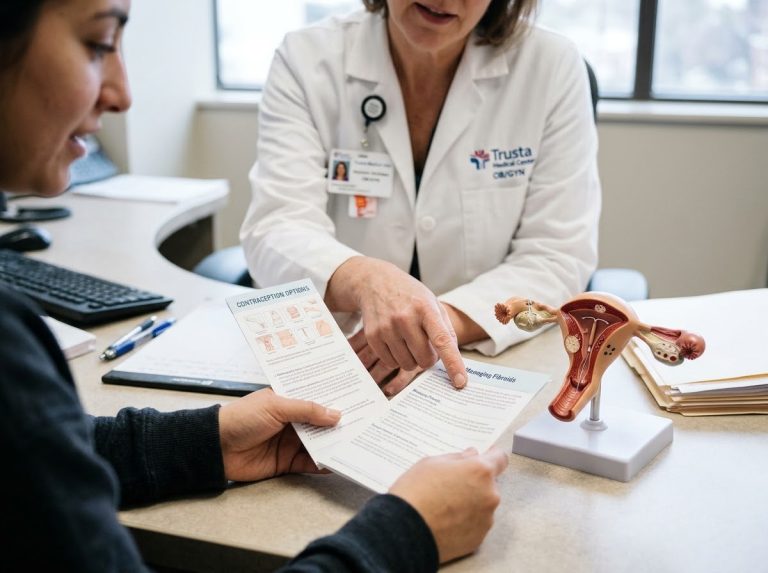

Epidural Delivery Support provides pregnant women with information about medical methods of pain management during childbirth and confidence in the process of delivering a baby. The epidural is one type of regional anesthesia that gives relief from pain during childbirth while leaving women awake.
Dr. Zohreh Kazemi provides medical consultation concerning epidural anesthesia, which will help women acquire information about epidural anesthesia and find out their suitability for the procedure. With all the necessary information, women will be able to make a well-informed decision regarding the utilization of epidural anesthesia during childbirth.
Book your Consultation today
What Is Epidural Delivery Support?
Epidural Delivery Support provides information about the use of epidural anesthesia as a method of labor pain management, mechanism of the epidural, and preparations for the epidural. During the epidural procedure, a thin catheter is inserted into the epidural space of the spine in order to deliver analgesic drugs during labor.
The main aim of epidural anesthesia is the relief from the pain caused by the contractions while keeping women awake and participating in the process of childbirth. Dr. Zohreh Kazemi assists expectant mothers in acquiring this information.
How Does Epidural Pain Relief Work During Labour?
This method involves blocking the nerve impulses sent from the bottom half of the body to the brain. The drug is given using a thin tube inserted into the lower back area by a trained anaesthesiologist.
The pain relief usually occurs within 10-20 minutes after the medication administration but can vary depending on the patient. The mother stays awake, and her status along with the baby’s heart rate is continuously monitored during the delivery.
Why Consider Epidural Delivery Support?
Labour pains differ and each woman has her own preferences on how to handle them. Some would like to use non-medical pain relief while others would like to use the epidural to manage contractions during labour.
Epidural Delivery Support will help women to learn about their options before the delivery and discuss any concerns that they have with their maternity health care practitioner. This way women can ask all the questions related to the procedure, monitoring, recovery and other methods of pain relief.
For women who:
- Desire better pain management in labor.
- Are concerned about dealing with lengthy contractions.
- Wish to be informed on pain medication before planning their birth plan.
- Want to understand the epidural and how it works.
- Were interested in finding out if they can get an epidural.
Benefits of Epidural Delivery Support
1. Better Understanding of Pain Relief Options
Acquiring knowledge about the procedure of epidural anaesthesia prior to giving birth enables the women to better understand the nature of the procedure. This preparation will enable them to discuss any concerns and choices related to their medical background.
2. Effective Labour Pain Management
The epidural may provide effective pain relief in case of contractions and work for several hours. This relief may help women to rest and save their strength in case of a long labour process. Different levels of pain relief are possible, and there may be necessary some adjustments in the use of medication.
3. Informed Birth Planning
The service of Epidural Delivery Support provides women with the ability to discuss their options concerning pain relief during delivery. Women may learn how an epidural works in their delivery and what alternatives exist. Birth plans are flexible, as the circumstances of labour are unpredictable.For guidance on choosing pain relief during childbirth, explore the American College of Obstetricians and Gynecologists’ information on medications for pain relief during labour and delivery.
4. Medical Monitoring
In case an epidural is used, the medical team performs the monitoring of a woman’s blood pressure and of her baby’s health condition. The medical team identifies possible problems and provides appropriate care. The scheme of monitoring is based on the woman’s clinical situation

How Is Epidural Delivery Support Provided?
The conversation starts with discussions related to the pregnancy of the mother, her medical history, preferences with regard to birth, and labour pain management. Dr. Zohreh Kazemi helps the mothers to understand different issues concerning the maternity care and tells the women about the significance of epidural anaesthesia.
Step 1: Pregnancy and Medical Assessment
The healthcare professionals pay attention to the medical history of the patient, her medication, pregnancy process, and issues that can affect the use of epidural anaesthesia. Women with a high-risk pregnancy need additional assessment before an epidural is considered.
There are some cases of bleeding disorders, blood thinners, infections, and other things that should be evaluated prior to the procedure.
Step 2: Discussion of the Epidural Procedure
The patient receives information about the process of epidural administration, its duration, and sensations that she will feel during the procedure. The woman gets to know about the possible benefits and restrictions of the procedure, its risks and alternative options.
Step 3: Epidural Administration During Labour
In the case where the mother opts for the epidural and the anesthesia practitioner determines that it is safe, the epidural injection is done by a competent professional. In this procedure, the skin around the lower part of the back is sterilized and numbed before the epidural catheter is placed in position. Medicine will be injected into the catheter as per the clinical requirement.
Step 4: Monitoring and Labour Care
Following administration of the epidural, the maternity staff will monitor the blood pressure, analgesia provided and fetal heart rate as needed. The maternity staff will also review labour progression and help the mother cope with any changes in sensations or movements.
Who May Benefit from Epidural Labour Support?
Epidural Labour Support is applicable to those pregnant women who are thinking about using medical pain relief before delivery or are going to use epidural during labour. It will be helpful in discussing what types of medical assistance will suit in that situation.
It is especially applicable to those pregnant women who:
- Would like to know more about epidural anesthesia before expected delivery.
- Are worried about coping with contraction pain.
- Are planning to discuss pain relief in their birth plan.
- Are interested in knowing something more about prolonged labour and pain relief.
- Need information about their medical background and epidural suitability.
Important: Epidural is one of the possible ways of childbirth, not mandatory. The ultimate decision lies in the hands of the woman and her clinical condition.
Possible Side Effects of Epidural Delivery Support
Epidural Delivery Support is a situation where the mothers get information about the effects of the epidural anaesthesia which they may feel after the administration of the same. The normal side effects include a decrease in blood pressure, very heavy and numb legs, itching, shaking, vomiting, inability to urinate, and soreness in the site where the anaesthesia is put. Others develop headaches while still others fail to experience pain relief. Epidurals may lead to other side effects such as affecting mobility as well as the process of delivery. The severe side effects include infections, spinal hematoma and nerve damage which are not very common but require professional medical help.
How Are Side Effects Managed?
Those who administer the anaesthesia as well as those in charge of the maternity care take note of the side effects experienced by the mother and treat them accordingly. They may vary the dose of the anaesthesia, monitor the case of decreased blood pressure, as well as bladder care among others.
Is Epidural Anaesthesia Safe During Delivery?
Epidural anaesthesia is one of the methods used to relieve labour pain and is considered quite a safe one provided that it is done by a properly trained medical professional under proper supervision. However, nothing is completely risk-free and the individual assessment takes place before the treatment.
Factors Determining Suitability
Some of the factors determining whether the procedure is appropriate include:
- Past medical history: presence of spine surgery or bleeding disorders or any other relevant information.
- Current medication: Some drugs, particularly those that may affect blood coagulation, have an effect on the procedure.
- Pregnancy and labour progress: The overall state of the mother and her baby is to be taken into account.
- Clinical examination: It is decided by the anaesthetist whether the procedure is suitable and what risks it poses.
| Method of Pain Relief | General Characteristics |
|---|---|
| Epidural anaesthetic | The medicine is injected into the woman’s lower back using a catheter for significant regional pain relief. |
| Breathing and relaxation techniques | Non-medical techniques that can assist the woman to cope during labour contractions. |
| Labour movements and positions | Labour movements that can assist some women to cope with pain. |
| Other medical methods of pain relief | Depends on the hospital maternity services offered. |
Cost of Epidural Delivery Support
The cost of Epidural Delivery Assistance varies based on the type of maternity services, facilities at the hospital, the anesthesia service, and if the consultation is separate from the delivery. The cost of the epidural delivery assistance procedure, medication, and the hospital admission costs could be covered by the maternity package service or charged separately.
Prior to delivery, check with the maternity service provider about what the quoted cost includes, if the anesthesia consultation cost is included, and if there are other costs.
Why Choose Dr. Zohreh Kazemi for Maternity Guidance?
Dr. Zohreh Kazemi offers help to mothers in comprehending the choice of maternity care and preparations for the process of delivery. Pre-delivery discussion of epidural anaesthesia assists in comprehension, question asking, and taking into account the choice together with medical considerations.
Consultation allows the mother to express her preferences in terms of the birth plan, any possible health issues, and means of relieving pain during childbirth.
Book a Consultation for Epidural Delivery Support
Childbirth preparation is the need to know the options available for pain management during this period. Dr. Zohreh Kazemi can help pregnant women talk about their needs and look at epidural anesthesia.
Schedule an appointment with Dr. Zohreh Kazemi for your pregnancy needs, where she will assist you in understanding more about Epidural Delivery Support.
FAQs
Is Enlarged labial procedure painful?
Epidural Delivery Support helps the mother-to-be understand how the epidural pain relief works, the benefits of the procedure, the risks and whether it’s appropriate in your case during the delivery.
Does an epidural completely remove labour pain?
It makes most cases of labour painless, however, it doesn’t mean that it will make all pain disappear in each case; some women may still feel the pressure and need readjustments to ensure pain relief.
Is an epidural suitable for every pregnant woman?
No. Suitability will depend on past history, current drugs taken, conditions of pregnancy, and clinical evaluation done by the anaesthesia provider.
What are the common side effects of an epidural?
Some of the side effects are a fall in blood pressure, temporary numbness or heaviness of the legs, itching, shivers, difficulty in passing urine, and tenderness. Although serious side effects are rare, it needs to be known before going through with the procedure.
Does an epidural increase the chance of a caesarean birth?
Epidural does not affect the chances of having a caesarean birth. Epidurals can result in immobility and problems during the pushing stage.