Had an emergency C-section and still don’t know why? Or pregnant and quietly dreading one? Dr. Zohreh Kazemi offers emergency cesarean section consultations in Dubai for both. Before labor, she explains the reasons and what recovery takes. Afterwards, she reads your hospital notes and answers the questions nobody had time for.
Emergency Cesarean Consultation with Dr. Zohreh Kazemi
What happens if labor goes wrong at 4 am? Sixteen hours in, the midwife goes quiet, and twenty minutes later you’re under bright lights. Dr. Zohreh Kazemi offers emergency cesarean section consultations in Dubai, so you know the reasons and recovery beforehand. Some women come before labor. Others come afterwards, asking what on earth happened.
Why Choose Dr. Zohreh Kazemi Emergency Cesarean?
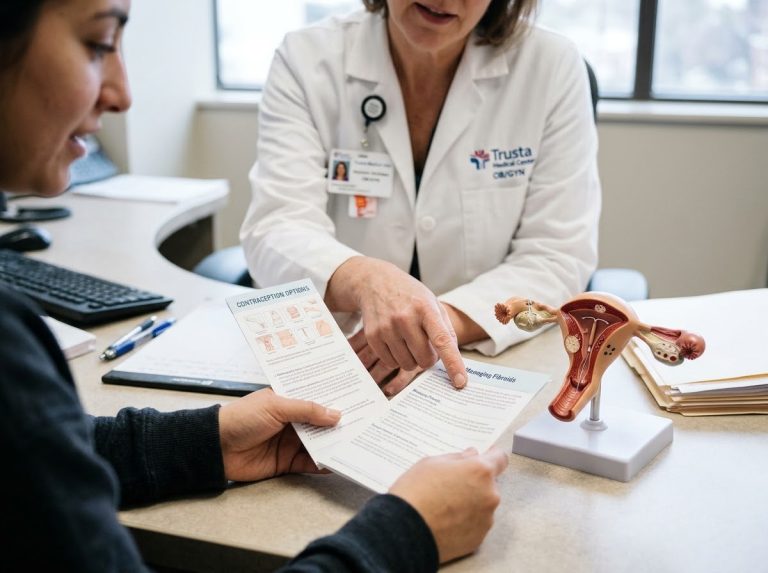
- Talk prior to labor; she informs about an emergency cesarean delivery during pregnancy; thus, it is not unexpected on the day.
- Risk for yourself; she reviews your ultrasound scan, your history, and your previous delivery.
- Debriefing after the procedure; she describes everything that occurred and explains the reasons, according to your medical records.
- Evaluation of the scar and wound; she evaluates the healing process and informs you about it.
- Future plan for your next delivery; vaginal or cesarean delivery and time interval between them.
- No criticism; be it relief, anger, or indifference, she has seen it all before.
Areas Dr. Zohreh Kazemi Treats in Emergency Cesarean
You won’t meet her for the first time in an operating room. What she does around an emergency cesarean section happens at a desk, either before labor or in the weeks after. Women book in for:
- Higher risk pregnancies; twins, hypertension or diabetes when there is an increased likelihood of an unexpected cesarean section.
- A mysterious emergency cesarean; surgery done previously that was never adequately explained.
- Wound care; wounds that take a long time to heal or pain that persists for many months.
- Birth planning; whether a vaginal birth will be possible.
- Fear of childbirth; following a traumatic first labor experience.
- Sadness following the birth; low mood, nightmares or insomnia following birth.
Several of these take more than one visit, and a few need another specialist as well. She’ll say so if that’s you.
Benefits of Emergency Cesarean Delivery Before Labor
You can’t book an emergency cesarean delivery. You can spend twenty minutes on it at an antenatal care visit around 34 weeks, though.
- Familiar words: “category 2” and “fetal distress” won’t sound foreign at 4am.
- Your wishes on paper: who comes in, skin-to-skin, and the screen at the birth.
- Your own risks, early; a low placenta or a big baby shifts the odds, so you hear it in clinic.
- A husband who knows his job; where to stand and what to pack.
- Faster consent; signing is easier when you’ve already read the form.
What Is an Emergency Cesarean Section?
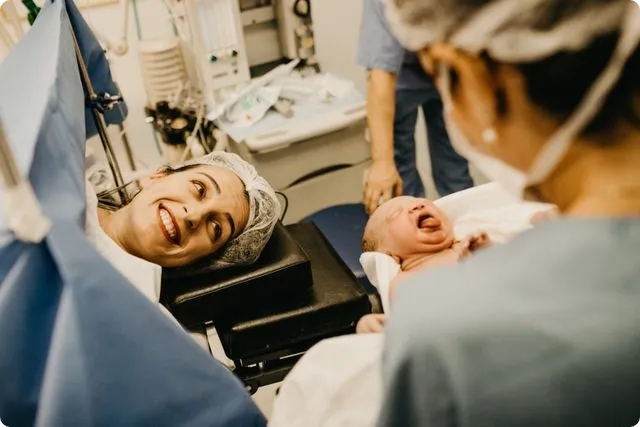
It is an emergency cesarean not planned beforehand. At some point in the labor process, or even near the end of the pregnancy, your doctors and medical staff make an assessment and decide that continuing the delivery is riskier than performing an emergency C-section. The search for the meaning of the emergency cesarean section brings results with the same technical meaning – it is just a decision made on the day.
Slow Decisions and Fast Ones
“Emergency” has to do with sirens, but this is not always so. Sometimes they take time. There is no progression of labor beyond six centimeters, the doctor sits next to you and tells you everything, and you even can call your mother. Some occur really fast. Really fast.
Is the Operation Any Different?
Would you know the two apart on the operating table? No. Same cut low on the tummy, same stitches. With an emergency cesarean section, you just reach that table faster, and with a lot less warning.
Reasons for an Emergency C-Section
Doctors call them indications. In plain words, they’re the things that make a team stop waiting. Ask any labor ward which emergency cesarean section indications turn up most, and you’d get roughly this list:
- Labor that stops moving; six centimetres at noon and still six at five, or a baby who won’t come down, and the drip hasn’t changed a thing.
- A worrying heartbeat; the trace keeps dipping with each contraction and takes too long to climb back (your notes will say fetal distress).
- Cord prolapse; the cord slips down ahead of the baby and the head presses on it, so nobody waits on this one.
- Heavy bleeding; sometimes because the placenta has started to peel away early, which is placental abruption.
- Severe pre-eclampsia; your blood pressure climbs past the point where tablets are enough, and the safest thing for you is the baby out.
- A baby in an awkward position; a breech that every scan somehow missed, for instance, or a baby coming brow first.
- A forceps or vacuum birth that doesn’t work; the doctor tries, the baby doesn’t budge, and surgery comes next.
- Trouble with an old scar; rare, but the scar from an earlier cesarean can start to give way in labor.
One more belongs on the list. You had a date for a planned cesarean, and labor turned up first. The paperwork still says emergency, even though you walked in carrying your own bag.
How Urgent Is an Emergency Cesarean Section?
It all depends on which one. Stalled labor at lunchtime and cord prolapse at midnight – both require emergency cesarean delivery, but are totally different. That’s why UK hospitals classify them as separate types, basing on timing recommendations from NICE guideline on cesarean birth when you do family planning.
The Categories of Emergency Cesarean Section
- Category 1; your life or the baby’s is in danger right now, and the aim is birth within 30 minutes of the decision.
- Category 2; something is wrong but not dangerously wrong this minute, so the target stretches to 75 minutes.
- Category 3; you’re both fine for now, and the baby simply needs to arrive soon.
- Category 4; a planned cesarean, which has its own page on elective cesarean in Dubai.
What to Ask the Doctor
So when a doctor says “category 2”, it isn’t a brush-off. There’s time to explain, to top up your epidural and to let your husband change into scrubs. Ask which category it is, by the way. Staff doesn’t mind, and the answer tells you how much of a hurry everyone is in.
Anesthetic Options in an Emergency C-Section
Three, and you rarely get a vote, because the clock decides. The anesthetist picks the fastest one that is safe for you and the baby. If there’s time, that means staying awake, which also lets you see your baby straight away. If there isn’t, it means going to sleep for a short while. Either way, the anesthetist tells you which one and why before starting, even in a hurry. Here is how the three differ, and when the team uses each one.
Epidural Top-Up, Spinal or General Anesthetic
- Epidural top-up; if you already have one for labor, the anesthetist strengthens it in minutes.
- Spinal; one injection in the lower back, numb from the chest down, and you stay awake.
- General anesthetic; you’re asleep, and the team keeps it for when there’s no time or the spinal hasn’t worked.
Before the first cut, the anesthetist tests the numbness with a cold spray, so you know it’s working.
What Happens During an Emergency Cesarean Section
From Decision to Operating Room: Everything speeds up at once. Someone explains the reason and asks you to sign (in a category 1 there may only be time for a spoken yes). A nurse puts in a drip, and then a thin tube goes into your bladder. You get an antacid drink that tastes awful. Meanwhile, the bed is already moving, and your husband is somewhere behind it, still tying his scrubs.
In the Operating Room: More people than you expect. An anesthetist by your head, two doctors, nurses, and usually a pediatrician waiting for the baby. Then a screen goes up. You feel pushing and tugging but no pain, and if you do feel pain, say so loudly, because the anesthetist can fix it.
Emergency C-Section Recovery
Emergency C-section recovery is the six weeks or so after an unplanned cesarean, while the wound heals and your strength comes back. The cut mends the same way it would after a planned one. You’re the difference, because you may have labored for hours first. So expect to feel more tired, and give yourself longer.
The First Days
After an emergency cesarean section, the wound heals the way it would after a planned one. The difference is you. You may have labored for a whole day first, so you start out already worn thin. Count on two to four nights in hospital. On day one a nurse will want you out of bed, which feels cruel, but walking is what keeps blood clots away. Don’t be brave about painkillers. Take them on time. And hold a pillow against your tummy when you cough, since it helps more than it should.
Home Care After Emergency Cesarean Section
At home, allow about six weeks. No weight-bearing beyond that of the baby, and no driving until you can brake sharply without wincing. You should also keep your wound clean and dry. If it becomes red, swollen, or discharges any fluid, or if you develop a fever or a painful, swollen calf, call the clinic immediately.
Warning Signs: When to Go Straight to Hospital
Don’t book an appointment for any of these. Go to your maternity hospital, or call 998 for an ambulance in Dubai:
- Your baby is moving much less than usual, or not at all
- Bleeding from the vagina that’s more than spotting
- Waters that break green or brown
- Tummy pain that’s constant and doesn’t ease between contractions
- A severe headache with blurred vision or sudden swelling
- You can see or feel the cord after your waters break
Often the answer is a check, a trace of the baby’s heartbeat and home again. Go anyway.
Talk to Dr. Zohreh Kazemi About an Emergency Cesarean Section in Dubai
Pregnant and concerned about how labor will finish? Have you experienced a difficult birth process and need counseling about that birth? Come here for either reason.
For an urgent consultation about a cesarean birth with Dr. Zohreh Kazemi in Dubai, you can contact the center at +971 54 555 0770 or reach out via the contact page. Already had the procedure done? Bring the discharge notes no matter how wrinkled they may be. But feeling anything odd now? Go straight to the hospital.
FAQs
How long will I be in surgery for an emergency C-section?
Under an hour. The baby is out within ten minutes, and then the stitching takes its time.
How long should I wait before getting pregnant again?
Give it a year at least. Eighteen months is better if you want a normal delivery, and family planning advice can help you time it.
Will I be asleep for an emergency C-section?
Most women aren’t. An injection in your back numbs you below the chest, and you stay awake. Doctors only put you to sleep if there’s no time.
Is an emergency C-section more dangerous than a booked one?
A bit. Infection and bleeding happen slightly more often. Most women get neither.
Could my next birth be normal after an emergency C-section?
Quite possibly. It depends why you needed the first one, so bring your notes.