
Whatever brought you here, plenty of women ask about an elective cesarean in Dubai. Most feel a bit guilty for asking. You shouldn’t.
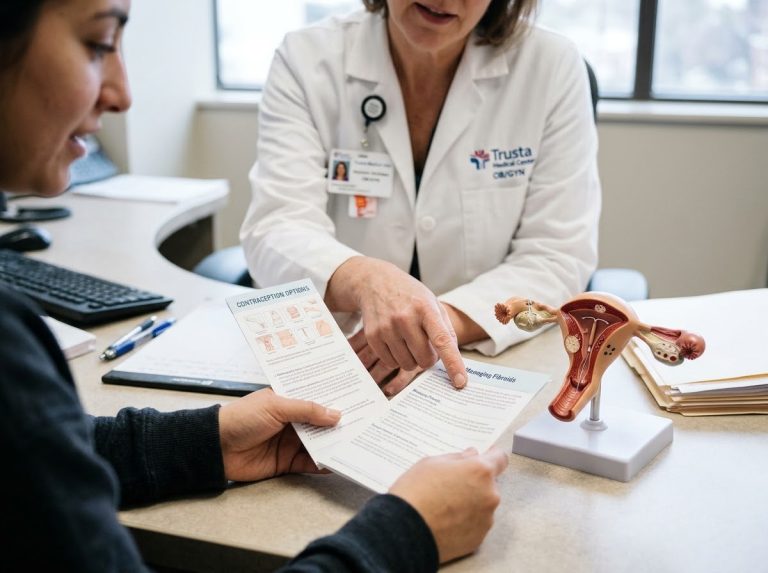
Dr. Zohreh Kazemi plans cesarean births, but don’t expect a date on the first visit. She goes through your scans first, and your last delivery if you’ve had one, and then she wants to know what you’re actually hoping for this time round. Only after that does she tell you, quite plainly, whether a planned cesarean is a good idea for you.
What to Expect from Dr. Zohreh Kazemi?
Your 36-week scan shows the baby still sitting bottom down. Or your first birth ended in an emergency C-section at 3 am, and you never want to go through that again. Maybe it’s simpler than that, and labor just frightens you.
Elective Cesarean: Areas Dr. Zohreh Kazemi Treats
Women book an elective cesarean with her for all sorts of reasons. These are the ones she sees most:
- Breech babies, and the odd one lying sideways, close to the due date
- A repeat cesarean after one or more earlier C-sections
- Placenta previa and other placenta problems
- Twin pregnancies
- A strong fear of labor, or a previous birth that left its mark
- Pregnancies with diabetes or high blood pressure
- Women torn between a repeat cesarean and a vaginal birth after cesarean (VBAC)
No two of these get the same plan. Twins, for instance, often come a week or two earlier than a single baby would. A maternal request cesarean, on the other hand, nearly always waits for 39 weeks. Check out our high-risk pregnancy for better knowledge and tips.
Why Choose Dr. Zohreh Kazemi for an Elective Cesarean in Dubai?
- An honest look at both routes; some women leave with a cesarean date, and others leave planning a vaginal birth, because she says which one she’d pick and why.
- Scans decide the date; how the baby is growing and how you’re doing set the week, and nobody’s holiday plans come into it.
- A fair hearing for maternal requests; if labor scares you she wants to hear about it, and she won’t lean on you either way.
- Future pregnancies in the plan; “how many children do you want?” comes up before she ever recommends a first cesarean.
- Clear instructions for the day; when to stop eating, what to pack, what time to turn up, so nothing surprises you that morning.
- Wound and scar follow-up; she checks how you’re healing afterwards, and also explains what the scar means for next time.
Birth Options Dr. Kazemi May Discuss With You
Plenty of these consultations end without a cesarean date at all. Depending on how the pregnancy is going, she may talk you through:
- Planned cesarean with a spinal; you’re awake, nothing hurts, and you see your baby within minutes.
- Vaginal birth after cesarean (VBAC); roughly three in four women who try this after one earlier C-section do manage it.
- Turning a breech baby; a doctor presses firmly on your tummy to coax the baby head down, and it works about half the time.
- Waiting with a backup date; you wait for labor, with a cesarean date in the diary just in case.
- General anesthetic; rarely the choice for a planned cesarean, but now and then a spinal just doesn’t suit someone.
Common Reasons for an Elective Cesarean Section
Sometimes a vaginal birth is just the riskier way to do it. Your notes will say “indication” somewhere, which sounds grander than it is. All it means is a good medical reason to operate. The most common indication of elective cesarean section is the plainest one, that you’ve had a cesarean before. Others turn up too, and a couple of them only show on a late scan.
These are the ones that come up most:
- Breech position; the baby is bottom down or feet first, and with the due date close it’s running out of room to turn.
- Placenta previa; here the placenta sits low and covers the cervix, so the baby has no way out down below.
- Two or more earlier C-sections; after two or three, most doctors would rather do another than risk labor on that scar.
- Twins; mostly when the twin at the front isn’t head down.
- Certain infections; a fresh genital herpes outbreak in the last few weeks is the usual example, because the baby can catch it on the way out.
- Earlier womb surgery; fibroid removal sometimes leaves a scar that might not cope with contractions.
- A very large baby; the scans point to a big one, and it counts for more if you also have diabetes.
Mind you, a reason on paper doesn’t settle anything. Breech babies turn at 37 weeks often enough to keep everyone guessing. And lots of women with one cesarean behind them deliver vaginally the next time, no drama. So Dr. Kazemi checks a couple of weeks again before the date, instead of deciding it all in month five.
Elective Cesarean: Planned, Not Optional
What Does “Elective” Mean?
“Elective” is a rotten word for it, honestly. Say it at a family dinner and someone will assume you chose surgery the way you’d choose a sofa. That isn’t what doctors mean. In a hospital the word only means planned, as in booked, as in not a 2am dash. So an elective cesarean section sits in the diary well before labor has a chance to start.
Elective vs Emergency C-Section
An emergency cesarean is the other sort, and nobody books those. The team decides on the spot, usually because labor has stalled or the baby’s heartbeat has them worried. Compare that with a planned one. You’ve known the date for weeks, you’ve met the anesthetist, and your hospital bag has sat by the front door since Tuesday (repacked twice, probably).
Either kind is the same surgery, though. A cut low on your tummy, more or less on the bikini line, and the doctor lifts the baby out through it. That part doesn’t change.
Elective Cesarean with Dr. Kazemi Maternal Request
Why Do Women Request an Elective Cesarean?
Now, what if nothing is wrong medically and you’d simply rather have one? That has a name as well. Doctors call it an elective cesarean section on maternal request, and a lot more women ask for it than you’d think. They just don’t announce it.
How Is a Maternal Request Cesarean Planned?
In her clinic, Dr. Kazemi won’t wave the request away, and she won’t just sign it off either. She asks where it’s coming from first. Then she puts a cesarean next to a vaginal birth for you in particular (your age, your history, how many children you want), not for women in general. Go home and sleep on it for a week. Still want an elective cesarean after that? Fine. She books it and plans it with you properly.
Something nearly always sits behind the request. A first birth that went badly, for example. Or a fear of labor so strong that it has a name of its own, tokophobia. Sometimes it’s nothing deeper than logistics: your mother lands on the 14th and your husband gets one week off, not two.
Elective Cesarean Section Timing: Why 39 Weeks Matters
Elective Cesarean Delivery at 39 Weeks
“Why not just do it at 38 weeks?” Nearly everyone asks. By then you’ve had enough, your back hurts, you can’t sleep, and you’d happily have the baby tomorrow. Even so, doctors usually book an elective cesarean delivery for 39 weeks or a few days after.
Baby’s Lung Development at 39 Weeks
It comes down to lungs. A baby who arrives before 39 weeks is more likely to struggle with breathing in the first few hours, and some spend a day or two in the neonatal unit because of it. One week sounds like nothing when you’re the one carrying. For lungs it’s a lot.
UK guidance takes the same line. According to the NICE guideline on cesarean birth, doctors shouldn’t routinely plan one before 39 weeks. The exception is a medical reason to go sooner.
Medical Reasons for Earlier Cesarean Delivery
And sometimes there is one. Placenta previa can bring the date forward, and so can twins, or high blood pressure, or a baby who has stopped growing well.
Labor Before the Scheduled Cesarean Date
What if labor starts before your date, though? It happens. Then you ring the hospital and go straight in, because the team can usually do the cesarean that same day.
What Happens During Elective Cesarean
Before the Operation
About a week before your elective cesarean delivery, you come in for blood tests and the fasting rules. On the morning, a spinal injection numbs you from the chest down, though you stay wide awake.
In the Operating Room
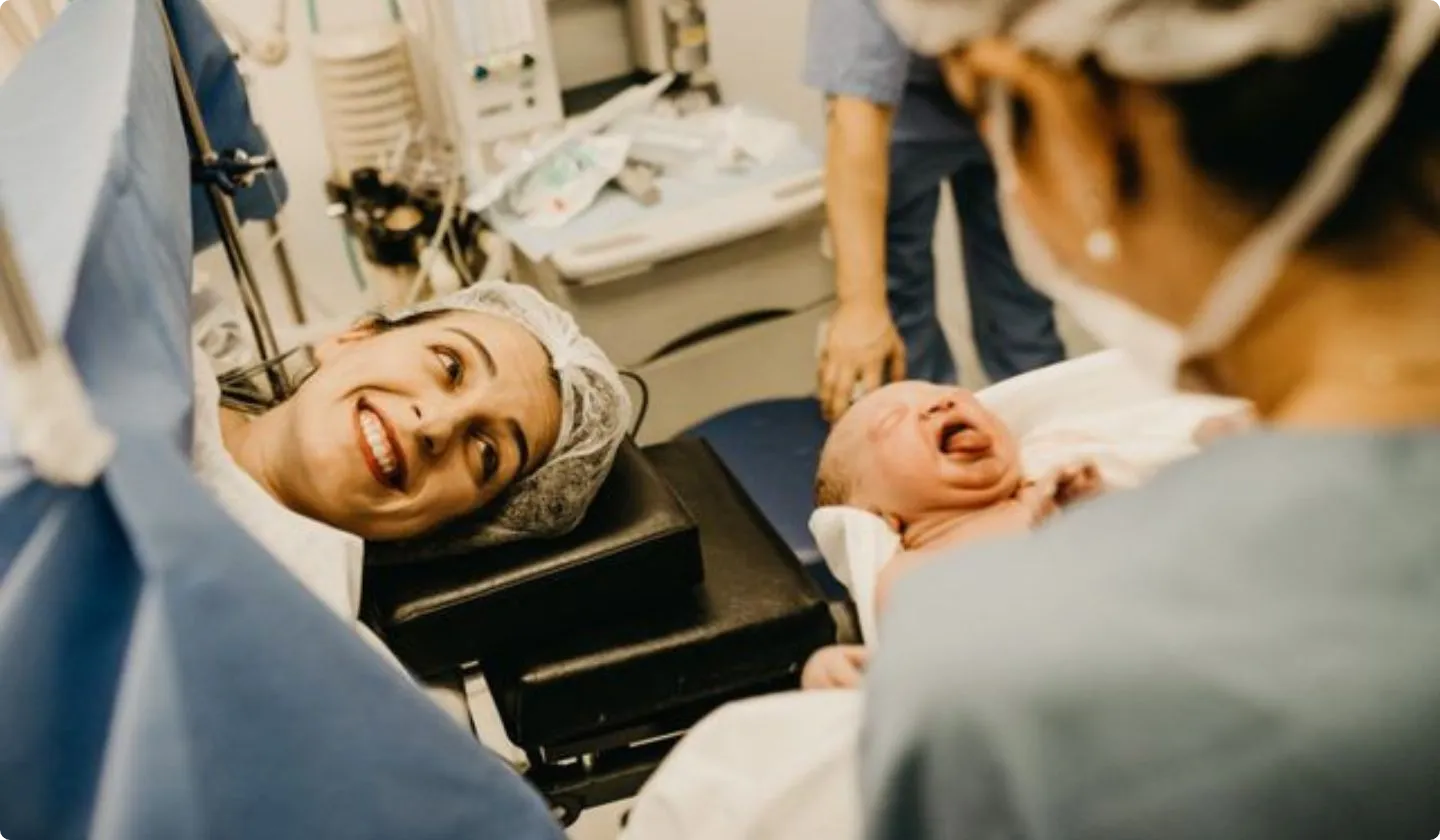
A screen goes up across your chest, your husband sits by your head, and you feel pulling but no pain. The baby is usually out within ten minutes, and the whole operation takes 40 to 50.
Recovery in Hospital and at Home
After an elective cesarean, you stay two or three nights, walk within a day and take painkillers by the clock. At home, allow six weeks without lifting or driving, and phone the clinic if the wound reddens or leaks.
Book an Elective Cesarean Consultation in Dubai
Has a doctor already told you that you’ll need a planned birth? Or are you only thinking about it so far? Either way, it’s an easier conversation at 28 weeks than at 37.
FAQs
Is it possible to have an elective cesarean delivery without having a medical reason for it?
Yes, in some cases. It is known as maternal request cesarean. Your doctor will review your reasons.
At what gestational age should elective cesarean delivery take place?
Normally at 39 weeks if there is no medical reason to deliver earlier.
Is it safer to have an elective cesarean delivery rather than vaginal birth?
It depends on your case. Both procedures have different risks, so your doctor will recommend the safest option.
Is elective C-section included in the insurance plan in UAE?
Not necessarily. C-section for medical reasons is more often covered by insurance than a maternal request.
How many times is it safe to have a C-section?
There is no fixed limit. Every operation increases certain risks.