
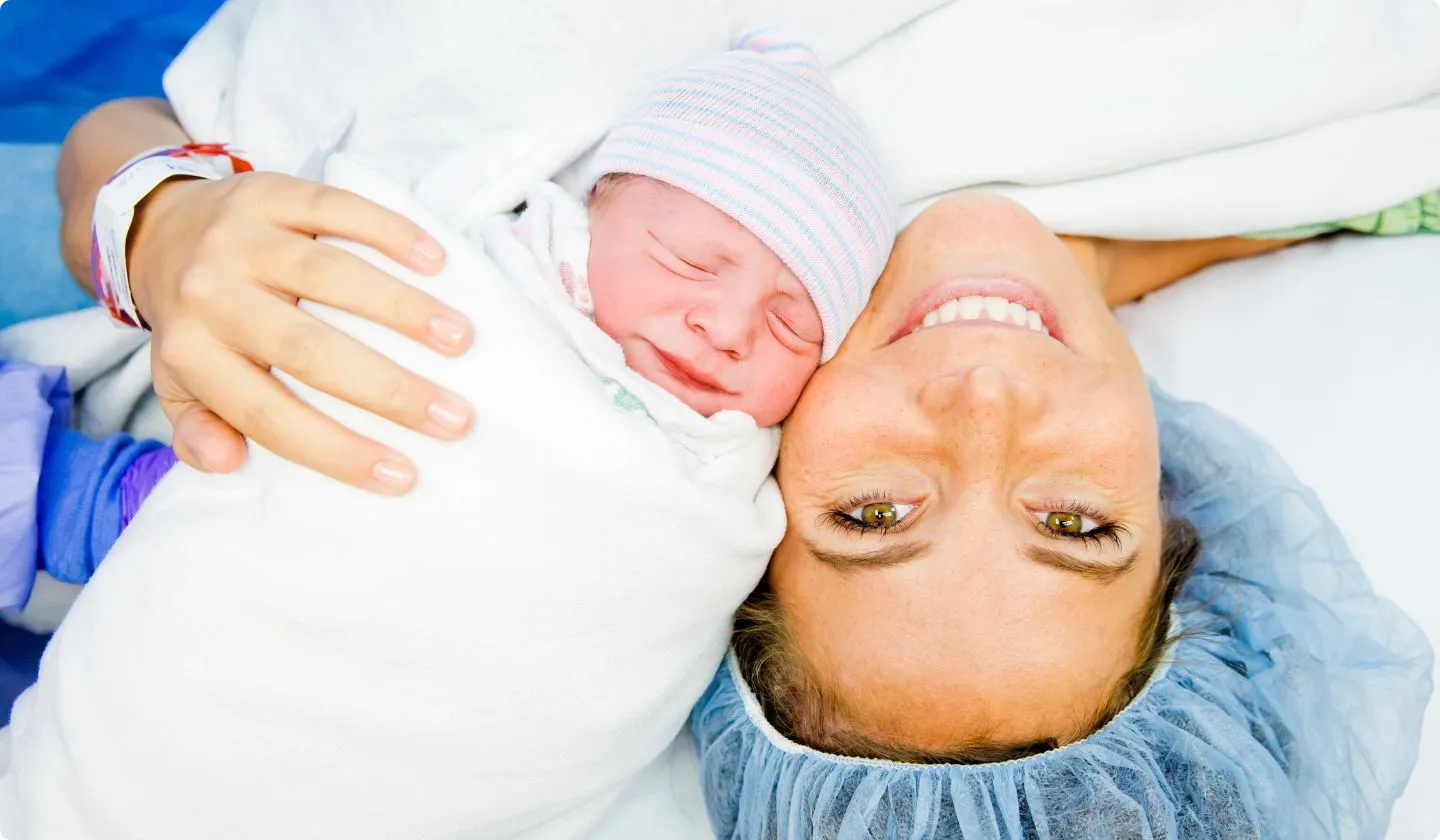
You can be quite happy with the idea of a C-section and still worry about the day itself. Being awake for an operation takes some getting used to. So does the thought of coming home with a baby when you’re sore and can’t move about as easily as usual.
Dr. Zohreh Kazemi is available for a consultation about cesarean section in Dubai, whether you’re still considering it or have already been advised to have one. Bring that advice and your reports to the appointment. There may be a reason you haven’t fully understood, or something about recovery that didn’t occur to you until you got home. Those are worth talking about before birth.
Benefits of Cesarean Section Delivery
Sometimes an operation is safer than asking the mother to go through a vaginal birth. The main benefits are:
- Safer in certain situations; when the placenta covers the cervix or the baby lies across the womb, the reason for a cesarean is the safety of the birth.
- No perineal tear; there won’t be a birth tear between the vagina and anus, known as the perineum, although you recover from the cuts of the operation instead.
- A date to plan around; knowing the date helps if you need to book leave or find someone to stay with your older children, though bookings sometimes change.
These are things to talk over with the obstetrician who knows your pregnancy. You’ll need to hear about the possible problems from surgery as well as the reasons for having it.
Why Choose Dr. Zohreh Kazemi for Cesarean Section Delivery?
A previous birth can stay on your mind when you’re expecting again. Perhaps labor was difficult. Or perhaps you had a cesarean last time and are hoping this birth could be different.
- Your history comes first; Dr. Kazemi goes through your pregnancy history and delivery records as part of the consultation.
- Room for your questions; you can ask about the advice you’ve received, anesthesia and recovery.
- Answers to take back; you leave with anything you need to raise with the hospital team.
- Old operation notes count; bring them if you have them, because the doctor needs to know about the cut inside the womb.
- Less guesswork; the mark on your tummy doesn’t show that cut, so the notes fill the gap.
What Is a Cesarean Section?
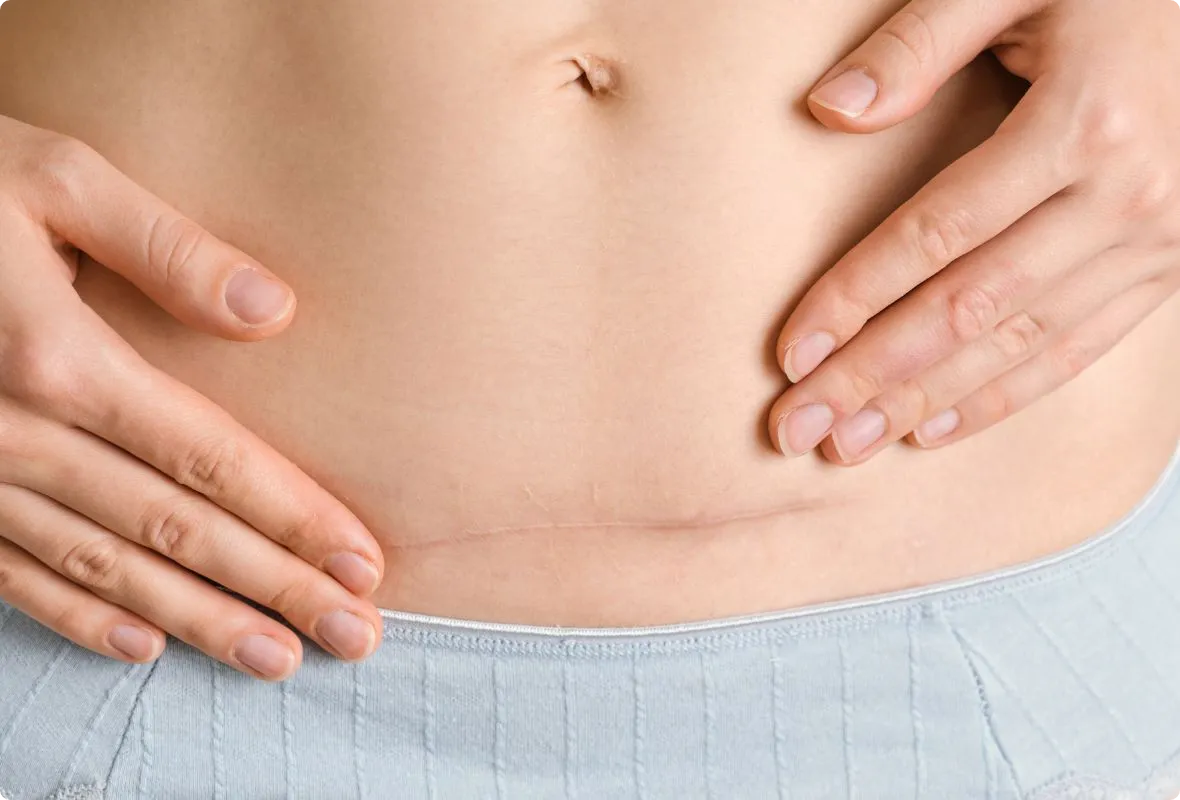
It’s an operation to bring your baby out through your abdomen and womb. Usually the cut on your tummy sits low down, around the bikini line.
A general anesthetic isn’t needed for most cesareans. More often, you have a spinal or epidural and stay awake with your lower body numb. A pulling sensation can still get through. Sharp pain shouldn’t, so tell the anesthetist straight away if that happens.
Once the baby and placenta have been delivered, the surgeon closes the cuts. You’re still in theatre for that part.
When Does Dr. Zohreh Kazemi Recommend a Cesarean Delivery?
Sometimes the reason is clear from a scan. Sometimes it only becomes clear in labor. The following are common situations in which surgery comes into the discussion.
Your Baby Is Breech
Your baby hasn’t turned head-down and has their bottom or feet pointing towards the birth canal. That’s breech. If there’s no change by the time birth is near, a cesarean may be advised. Your doctor looks at the rest of the pregnancy as well before deciding what’s suitable. Before then, she may talk to you about turning the baby by hand from the outside, which works for about half of the women who try it.
Placenta Previa
The placenta is sitting over the opening the baby would need to come through. With that opening covered, vaginal delivery can cause severe bleeding. A cesarean is usually the advised way to give birth. It usually shows on the 20-week pregnancy ultrasound, and a later scan checks if the placenta has moved up. Many low placentas do move by the third trimester, so the first report isn’t the final answer.
Labor Isn’t Progressing
The contractions can continue even though there is no dilation of the cervix. Alternatively, the fetus might cease making its descent. Where there is no adequate care to help in the process of delivery, the doctors may conclude that surgery is the best way out. Adequate care could involve rupturing the amniotic fluid, giving a hormonal drip to enhance the contractions, or just waiting a little longer.
Concerns About Your Baby’s Heart Rate
Your baby’s heart rate is among the factors that the nurses will monitor during labor. If the heart rate indicates that the baby is not coping, waiting any longer might be hazardous to the baby. In such a case, the medical practitioners will propose a caesarean delivery. The nurses will first attempt to alter your positioning and provide fluid or discontinue the hormone drip, as these have proven effective in dealing with the tracing.
Previous Uterine Surgery
Operations on the uterus are worth mentioning at the visit even though this was long ago. The area of the scar and the type may vary the recommendation regarding labor. It is not required for each woman who delivered a baby using C-section once to use this method of delivery the next time. Removal of fibroids and prior C-section are two most common operations performed.
Planned and Emergency Cesarean Section
The operation may be booked ahead of time, or it may become necessary when you’re already in labor. The surgery itself is the same in both cases, with the same cut and the same stitches. What changes is how much warning you get, and how much time there is to talk it through first.
Planned Cesarean Section
You’ll be given a date and instructions for admission. The booking is normally from 39 weeks. Earlier than that, babies are more likely to have trouble with breathing, so an earlier delivery needs a medical reason, such as a high risk pregnancy.
Of course, labor may start before the booking. Ask for a contact number and instructions for what to do if it does. Dr. Kazemi can go through that plan with you at the consultation.
Emergency Cesarean Section
This may follow labor that has stopped progressing, unexpected bleeding or concerns about the baby’s heartbeat. Some situations leave very little time. Others allow the staff to prepare more slowly and talk you through the decision.
The word can sound frightening. It doesn’t tell you, on its own, how urgent things are: some cesareans really do need to happen at once, while others don’t involve an immediate danger.
What Happens During a Cesarean Section Delivery?
Before Surgery
There are checks to do first. There’s usually a catheter to keep your bladder empty, as well as a drip in your arm through which the staff give fluids and medicines. With a spinal or epidural, the numbness is checked before anything starts. Having had the injection isn’t enough by itself; they need to know it’s working. Your birth partner usually changes into theatre clothes at this point and joins you.
During Surgery
The surgeon opens the abdomen and womb to deliver your baby. This part often happens early on. Removing the placenta and closing everything afterwards take up more of the operating time.
Around 40–50 minutes is usual for the whole operation, though it can take longer. Tell the anesthetist if you feel pain at any point. A screen keeps the operation out of your sight, and you can ask the staff to describe what’s happening.
After Your Baby Arrives
When you can hold your baby depends on how you’re both doing. If all is well, that may be soon after the birth. You can ask for skin-to-skin contact and help with the first breastfeed while the staff carry on with your checks. Blood pressure and bleeding are among the things they’re watching. You then move to a recovery area, where the numbness wears off over the next few hours.
How to Prepare for Cesarean Section Delivery
- Fasting times; they’re on your admission instructions, so don’t guess them.
- Anything unclear; phone the hospital and ask which medicines to take that morning.
- Diabetes; you’ll need your own advice, so ask early.
- Allergies and anesthetic problems; mention both on the same call.
- Hospital bag; pack something with a loose waistband.
- Meals and groceries; sort them before the birth, because you’ll be too sore afterwards.
- Your helpers; talk to them before the baby comes.
- Before you go home; ask which pain medicine to take and who can help with feeding.
What Are the Risks of Cesarean Section Delivery?
A booking in the diary doesn’t make this a small operation. Problems that can happen include:
- Infection in the wound or womb
- Heavy bleeding
- Blood clots in the legs or lungs
- Injury to nearby organs, such as the bladder
- Anesthesia complications
- Breathing problems for the newborn
If you’re hoping for more children, mention that during the discussion. Repeat cesareans can be more difficult operations. After several, the chance of certain problems with the placenta also goes up. That doesn’t tell you what will happen in your next pregnancy, but it does belong in the conversation about this one.
Recovery After a Cesarean Section
At first, even turning over in bed takes effort, and you’ll be glad of a hand getting up. Keep to the pain relief your team advises, and start walking when they say it’s safe.
Some women stay only a day or two. You or your baby may need longer.
At home you can usually pick up your baby, but someone else handles laundry and heavy shopping for a while. Recovery takes around six weeks, possibly longer. Ask your doctor before strenuous jobs, however well the skin has healed.
C-Section Wound Care Prep
Get the dressing instructions before you leave hospital, and check you understand them. Keep the wound clean and dry. Your usual waistband may rub where you’re sore, so wear something looser.
If soreness keeps getting worse, call your maternity team quickly. Do the same for spreading redness, swelling, pus or a fever. Heavy vaginal bleeding needs urgent help. For chest pain, sudden breathlessness or severe bleeding, get emergency help, above all if you feel faint.
Keep your postnatal appointment, even if the wound looks fine. There’s more to discuss than the scar. If you’re struggling emotionally or at home, say so.
Cesarean Section Consultation with Dr. Zohreh Kazemi in Dubai
You might come with a decision to make. Or the date may be in your diary already, with a few unanswered questions still on your mind. Take your reports, including the older ones from previous births or operations. They give Dr. Kazemi the details she needs to talk about your own situation.
Book a Cesarean Section Consultation in Dubai
Call the clinic to arrange your appointment with Dr. Zohreh Kazemi. A note on your phone is enough for the questions you don’t want to forget.
FAQs
Is a C-Section Painful?
You shouldn’t feel sharp pain during surgery. Tell the anesthetist if you do. Soreness afterwards is expected, and you’ll be offered pain relief.
How Long Does a C-Section Take?
The whole operation is often around 40–50 minutes. Your baby may be born well before it’s finished. Some operations take longer.
Can I Have a Vaginal Birth After a C-Section?
Sometimes you can. Your doctor will look at this pregnancy and the previous operation, including the cut made in your womb.
How Long Does Recovery Take?
Often around six weeks, but don’t expect everyone to recover at the same pace. Check with your doctor about restarting activities.
Can I Breastfeed After a C-Section?
Yes, including soon after birth if you’re both well. Ask someone to help you hold your baby comfortably while you feed.