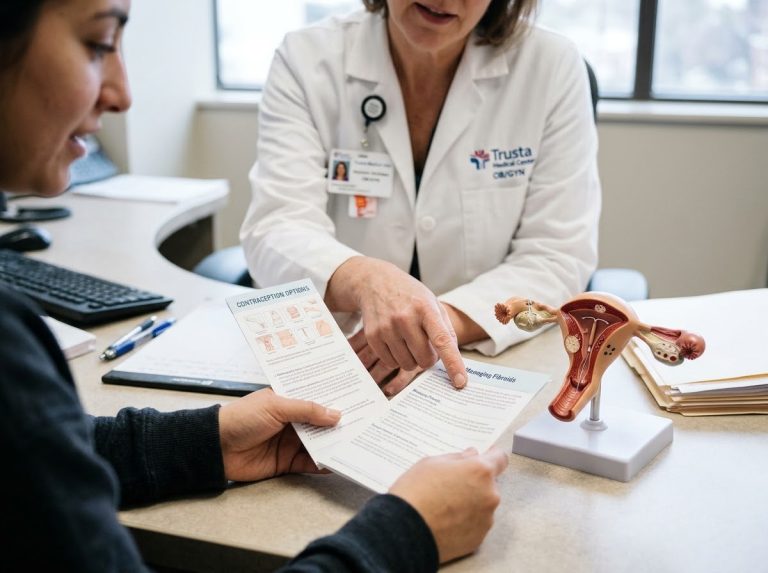
Is that pink edge on your scar normal, or is it the start of something? Dr. Zohreh Kazemi does wound care after C-section in Dubai, and she doesn’t guess from across the desk. Dressing off, good light, then a proper look. So she deals with an infection or a small gap while a week of tablets can still fix it, and you skip the month of dressings.
Day five, most likely. You’re in the bathroom with a hand mirror at a daft angle, trying to see a wound that hides under your own tummy. Meanwhile, the discharge sheet says “keep clean and dry”. Lovely. Clean how? Dry with what? But once somebody shows you, the whole routine takes about five minutes a day, and showing you is half of what she does.
Wound Care After C-Section – Areas Dr. Zohreh Kazemi Treats
Plenty of wound care after C-section visits end with a quick look and a “that’s fine, off you go”. The rest are usually one of these:
- Infected cesarean wounds
- Wounds that have partly opened
- Fluid or blood collecting under the scar
- Stitches that haven’t dissolved or are poking through
- Scars that stay red, raised, itchy or painful
- Keloid scars from an earlier cesarean
- Slow healing in women with diabetes
- An overhanging fold that keeps the wound damp
Benefits of Early Wound Care After C-Section
Catch an infection on day five, for example, and it’s usually a week of antibiotics. Give it until day twelve, however, and you may be looking at a wound that needs opening, draining, and a month of someone changing dressings.
Next there’s the “is this normal?” problem. It’s probably your first surgical wound, so you’ve got nothing to hold it up against. But a doctor who looks at these every week usually knows in seconds.
And then the scar. Six weeks is the time to sort out silicone gel and massage, and to find out how thickly your skin tends to scar. Leave it a year instead, and the same things work a lot less well.
How a C-Section Wound Heals
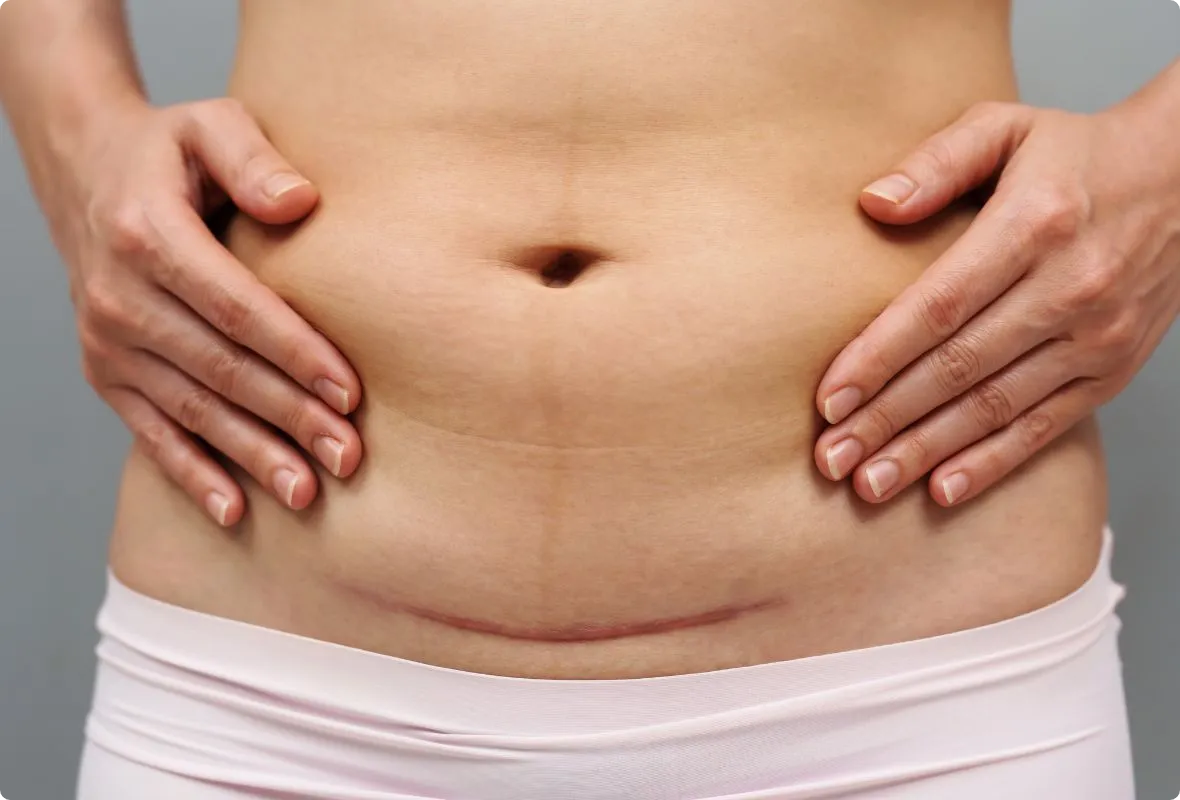
- The cut you can see: 10 to 15 centimetres long, low on the tummy, usually on the bikini line.
- The cut you can’t see: a second one in the womb, healing where nobody can watch it.
- Skin, about two weeks; the surface knits fast, which is when most women stop checking it every hour.
- Deeper layers, about six weeks; that’s why lifting stays banned long after the wound looks fine.
- C-section wound healing time; two weeks on top and six underneath, if you want a number.
- The scar, a year or more; red or purple and a bit raised at first, then slowly flatter and paler.
- Odd sensations; numbness above the scar for months, itching while it knits, a firm ridge, a sharp tug when you stand up too fast. All normal.
C-Section Wound Care at Home, Day by Day
The First Week
The first week of wound care after C-section is mostly the shower, plus a few small habits.
- Dressing off; it usually comes off within a day of the operation, which is what the NICE guideline on cesarean birth says too.
- One shower a day; let soapy water run over the wound, and don’t scrub it.
- Drying; pat it with a clean towel that’s only for this job, or lie on the bed for ten minutes and let the air do it.
- Clothes; loose cotton, and underwear that sits well above the line or well below it, because a waistband on the scar will rub all day.
- Coughing and laughing; grab a pillow and press it to your tummy first. You’ll look silly. It works, though.
Weeks Two to Six
- Stitches under the skin; they melt away by themselves over a few weeks, so leave those alone.
- Staples and ordinary stitches; out at around five to seven days, in two minutes, and it stings less than you’re dreading.
- Creams and powders; keep them, and antiseptic, off the wound unless a doctor says otherwise.
- Baths and pools; none until the wound has fully closed.
- Lifting; still nothing heavier than the baby, however well you feel.
- Dubai heat; sweat keeps the wound damp under any fold of skin, so wound care after C-section here means lifting the fold and drying it after every shower, and again around midday in summer.
- Hairdryer trick; the cool setting also does the job nicely if a towel feels rough.
Signs of Infection After a C-Section
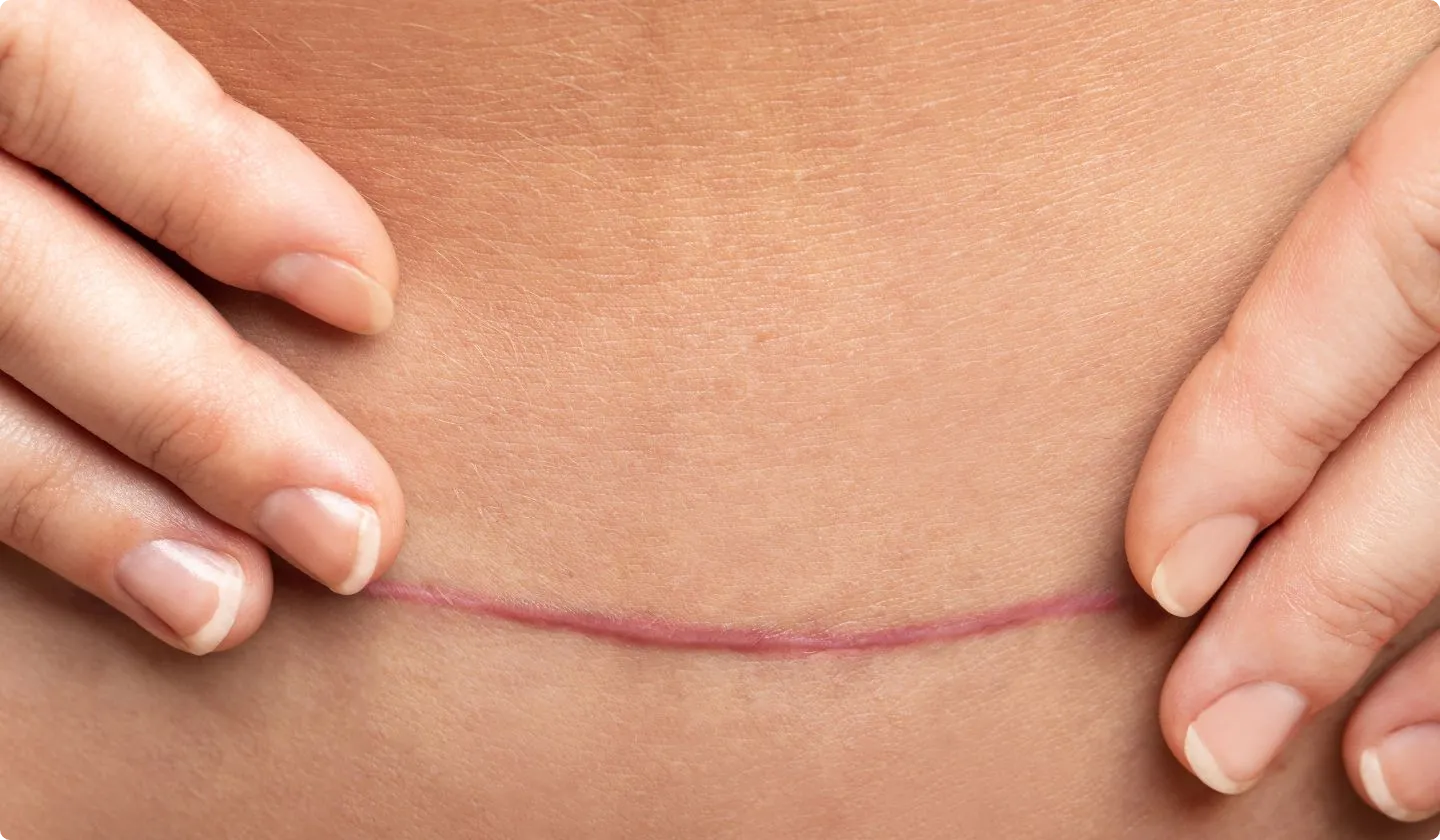
Most wounds heal without a murmur. When a cesarean wound infection does turn up, it’s usually between day four and day ten, and by then you’re home. So daily wound care after C-section includes a proper look (or hand your husband the phone torch). Check for these:
- Redness that spreads; a thin pink line is fine, a red patch that’s wider today than yesterday is not.
- Swelling or heat; the skin round the wound feels puffy and tight, or warmer than the rest of your tummy when you lay a hand on it.
- Pain that gets worse; it should hurt a bit less each day, so if day seven is worse than day five, that counts.
- Pus or a bad smell; yellow or green fluid on the dressing, or a smell you notice when you undress.
- Gaping; part of the wound has pulled open, even if it’s only a centimetre.
- Fever; 38 degrees or more, or the shivers and that ill-all-over feeling.
Who gets infections? Anyone can, but it’s likelier with diabetes, including gestational diabetes, with extra weight, or after an emergency cesarean section that followed a long labor. Smoking doesn’t help either.
Treatment Options for C-Section Wound Problems
Sometimes wound care after C-section needs more than time. Most problems are small, such as an infection, a gap in the wound or a stitch that won’t settle. So what she does depends on what she finds under the dressing.
Treating a C-Section Wound Infection
An ordinary infection means tablets, and she takes a swab first where she can, so the antibiotic matches the bug. A pocket of pus won’t clear with tablets alone, though. Instead, she opens it and lets it drain, which is usually a relief.
When the Wound Has Opened
However, a wound that has gaped is the slow one. It heals from the bottom up, with fresh dressings every few days for several weeks.
Stray Stitches, Raised Scars and Keloids
A stitch that never dissolved? Out it comes. Red, raised scars often calm down with silicone gel worn daily for a few months. For keloids, the scars that grow past the wound line, she may suggest steroid injections instead.
C-Section Scar Care with Dr. Zohreh Kazemi in Dubai
Scar treatment begins after about six weeks, when the wound will have fully healed. This is the final phase in C-section wound care. The first step in this process is massage, which is free of charge. Do the massage using your two fingers by making circular movements on the wound with basic moisturizer. This prevents the scar from adhering to the underlying tissues.
Silicone gel is worth paying for if your scar feels raised, or if you’ve scarred thickly before. Keloids run in families, so tell her if your mother or sisters have them. A cesarean scar fades a lot in a year or two. It doesn’t vanish, though. If you’re hoping for another baby, a preconception care visit is the time to check how the scar on the womb has healed.
Why Choose Dr. Zohreh Kazemi for C-Section Wound Care?
- Not just questioning but looking; when examining wounds, the dressing is stripped away, and the wound is inspected using good lighting.
- Clearly explained rules of the house; what you should wash in, what you shouldn’t, what clothing you need to avoid, clearly stated so that your husband will know too.
- Swabbing for infection before taking antibiotics; where possible, she makes sure the bacteria causing your wound is identified, so you only have to take one course of medicine.
- Advice for the climate of Dubai; sweaty skin and folds are given their own special advice, because moist conditions slow down healing.
- The role of blood sugar in wound healing; if you had elevated levels in pregnancy, she checks it again, because higher blood sugar levels delay wound healing.
- Scarring discussion starts at six weeks; massage therapy, silicon sheets, and an honest answer about how your scar should look in a year’s time.
- Future pregnancy concerns; the condition of your uterus’ wound is important for the next delivery, so it is included in the discussion.
Book Wound Care After C-Section in Dubai
Not sure your wound looks right? Take a photo in daylight today, so you can compare tomorrow, and book a check-up in the meantime. Half an hour, and then you’ll know.
For wound care after C-section with Dr. Zohreh Kazemi in Dubai, call the clinic on +971 54 555 0770 or message through the contact page. Had the cesarean at another hospital? That’s fine, so just bring the discharge summary. And if your postnatal care visit comes first, show her the wound then.
FAQs
How much time will it take to heal the incision after the C-section?
Approximately 2 weeks for the surface, but underneath healing takes 6 weeks, so do not lift anything yet. The scar will fade during a year or longer.
When will it be safe to shower after the C-section?
The day after the surgery. Run clean water over the incision and dry it with a cloth. Batches are forbidden until it heals.
What products should I apply for wound care after the C-section?
Nothing, during the first 3 weeks. The only thing you need is water and air. From week 6, a simple moisturizer is okay.
Is it common for C-section scar to be numb or itchy?
Yes, both. As the incision cuts the small skin nerves, it may remain numb for months. Itching means your wound heals. Discharge or rash means infection and call to a doctor.
What are the symptoms of C-section wound infection?
Spread redness, swelling, increased temperature, growing pain, pus, bad smell, or fever. If you have one of those, immediately contact a physician.