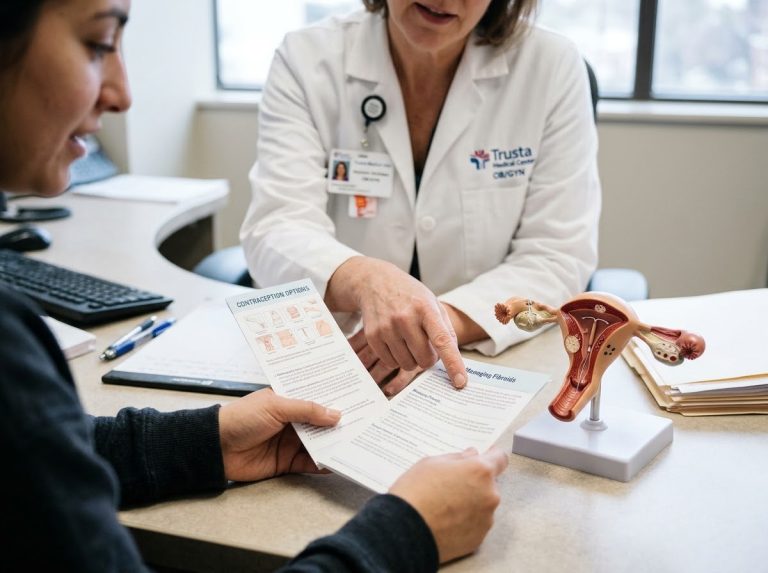
Most women take a while to mention vaginal dryness to a doctor. It’s an awkward subject, so they try whatever the pharmacy has and hope it goes away. Sometimes it does. Often it doesn’t. Sex starts to sting, and a mild itch becomes part of everyday life.Treatment usually works well once someone looks into the cause. That is where vaginal dryness gynecologist Dubai with Dr. Zohreh Kazemi starts.
Dr. Zohreh Kazemi sees dryness in women of all ages. A 32-year-old who is breastfeeding and a 58-year-old who went through menopause ten years ago can describe the same symptoms, even though the reasons behind them are completely different.
What Is Vaginal Dryness?
If you have vaginal dryness, your body is producing less moisture in the vagina than it requires. This is mostly associated with the reduction in oestrogen levels that happen during menopause or lactation and can result in irritation, itchiness, and pain during sex.
Why Choose Dr. Zohreh Kazemi for Vaginal Dryness Treatment Dubai?
- Private and comfortable consultation; an environment for open discussion.
- Explanation is clear; you find out the cause and the cure.
- Simple treatment options; practical choices alongside medical care.
- Personalised treatment plan; care that matches your symptoms.
- Follow-up support; regular check-ins, with changes when needed.
Vaginal Dryness Treatment Options in Dubai
Most women need one or two things from the list below, rarely more. Therefore, Dr. Zohreh Kazemi picks based on the cause and on what you’d actually be happy using, because a treatment that sits unused in the bathroom cabinet doesn’t help anyone. Women experiencing vaginal dryness can also explore PRP Intimate Therapy as an option for addressing intimate health concerns.
Vaginal Moisturisers for Dryness
Think of these as skincare rather than a quick fix. You put a moisturiser in every two or three days, whether you’re having sex or not, and over a couple of weeks the tissue starts holding on to more water. As a result, for quite a few women, that alone settles the everyday soreness and itching.
Choosing a Lubricant for Vaginal Dryness
The lube is the product that is applied during sex. A good lubricant for vaginal dryness will remove the friction instantly but will not do anything to the tissue underneath. Examples include both water and silicone based lube. The oil-based ones (baby oil, coconut oil, petroleum jelly) will damage the latex condoms. Moreover, stay away from the flavored, perfumed, and ‘warming’. These additives usually irritate the sensitive skin more often than not. Dr. Zohreh Kazemi can recommend some brands if there were any past problems.
Local Vaginal Oestrogen (Cream, Tablet or Ring)
Where low oestrogen is the root cause, putting a little oestrogen back exactly where it’s needed usually makes the biggest difference. It comes as a cream, a tiny vaginal tablet or a soft ring you leave in place for three months, and the dose is far lower than standard HRT. As a result, very little reaches the bloodstream. Most women notice a change within a few weeks; the full benefit takes about three months. According to UK NHS guidance, most women can use it for as long as they need. However, had breast cancer? Dr. Zohreh Kazemi will talk it over with your oncologist before prescribing anything.
HRT for Wider Menopause Symptoms
Hot flushes and bad nights as well? In that case, HRT might suit you, since it deals with those and often helps the dryness too. Not always enough on its own, though. For this reason, some women use local oestrogen on top of HRT to fully sort the vaginal symptoms. The menopause treatment page covers HRT in more depth.
CO2 Laser and Other Vaginal Dryness Options
Not every woman can use hormones, and some would simply rather not. For that reason, laser treatment is one route worth discussing. Evidence for laser in vaginal dryness is still limited, so Dr. Zohreh Kazemi explains the benefits and the limits before you decide.
Vaginal Dryness Causes
Hormones account for most cases. Not all, though. Before suggesting anything, Dr. Zohreh Kazemi goes through your cycle, contraception, recent pregnancies, the medicines you take and any treatment you’ve had for other conditions, because the list of possible vaginal dryness causes is longer than most people think.
Menopause and Perimenopause
This is the big one. Oestrogen starts dipping in perimenopause, often somewhere in your forties, and keeps falling after your last period. Hot flushes tend to calm down eventually. However, vaginal dryness after menopause usually doesn’t; if anything, it creeps up over the years, which is why waiting it out rarely works.
Vaginal Dryness After Pregnancy and During Breastfeeding
Oestrogen stays low after birth for as long as you breastfeed. Nobody warns you about that part. As a result, plenty of women experience vaginal dryness during breastfeeding and hear that sex should feel normal by the six-week check, and when it doesn’t, they quietly worry the birth damaged something. Usually it’s just the hormones. Fortunately, it tends to ease once you stop feeding, but no rule says you have to wait until then.
Other Reasons for Vaginal Dryness
Even with perfectly normal hormones, some women still end up dry. In addition, other reasons for vaginal dryness and the need for vaginal atrophy treatment include:
- Some contraceptive pills and other hormonal medicines
- Antihistamines, certain antidepressants and some other medicines
- Chemotherapy, pelvic radiotherapy or anti-oestrogen breast cancer drugs
- Having your ovaries removed
- Perfumed soaps, bubble baths, vaginal washes and douching
- Diabetes, or autoimmune conditions like Sjögren’s syndrome
- Stress, tiredness, or not enough time to get aroused before sex
Vaginal Dryness Symptoms: What to Look For
A lot of women don’t realise dryness can cause all of these:
- Soreness, itching or burning around the vagina
- Pain or discomfort during sex
- Spotting or light bleeding after sex
- Needing the toilet more often, or urine infections that keep coming back
- Discomfort when you sit for a long time, walk or exercise
- Going off sex because it hurts
If you recognise a couple of these, it’s reason enough to book in.
When Should You See a Doctor?
There are certain signs which should not be ignored. For example, bleeding following sexual intercourse or any kind of bleeding after you stop menstruating, an unusual odor or appearance of your discharge, and worsening pain all require an immediate check-up. There may be various reasons behind these signs, including infection, lichen sclerosis, and sometimes, there may even be a very serious problem.
What Happens at Your Vaginal Dryness Consultation?
Expect to talk first. she asks about your symptoms and periods, any pregnancies, the medicines you’re on and, if it’s relevant, your sex life. It’s a private room and a doctor who has these conversations every single day, so there’s no need to pick your words carefully.
After that, there’s usually a quick, gentle examination and sometimes a swab. You leave knowing why you’re dry and what you can realistically do about it.
Simple Changes for Vaginal Dryness at Home
- Wash with plain water or an unperfumed emollient, not soap
- Skip douches, vaginal wipes and scented intimate products
- Rinse off after a swim in a chlorinated pool
- Choose cotton underwear, and get out of sweaty gym kit quickly
- Keep your water intake up in the Dubai heat
- Give yourself more time for foreplay
- Use your moisturiser regularly, even on good days
Overall, none of this will reverse hormone-related dryness by itself. What it does is stop extra irritation piling on top, and it helps the actual treatment do its job.
Vaginal Dryness Treatment Cost in Dubai
The cost of vaginal dryness treatment in Dubai depends on the reason for vaginal dryness and treatment method used. Therefore, it is best to have a consultation with Dr. Zohreh Kazemi to find out the best treatment and price.
Book Vaginal Dryness Treatment in Dubai
For those who have suffered from dryness, pain during intercourse, and soreness, there are treatment options available. You can learn more about the common causes and symptoms of vaginal dryness through this Cleveland Clinic guide to vaginal dryness. Instead, contact Dr. Zohreh Kazemi for a personal consultation. This will only take one appointment to assess your condition and find out what vaginal dryness treatment will suit you best.
FAQs
What is the best treatment for vaginal dryness?
This will depend on what is causing the dryness. For mild dryness, lubricants and moisturizers should be sufficient, while for dryness that is hormone-related, local vaginal estrogen is generally most effective. Dr. Kazemi will suggest one after examining you.
What are the causes of vaginal dryness?
Low levels of oestrogen, mostly during the menopause period and lactation. Following these, medications, chemotherapy, fragrances, stress, and some illnesses like diabetes.
Which lubricant for vaginal dryness should I use?
Something plain, either water-based or silicone-based, suits most women. However, avoid oil-based products if you use latex condoms, and anything perfumed or flavoured if you’re prone to irritation.
Can vaginal dryness happen after having a baby?
Yes. Oestrogen stays low while you breastfeed, which can cause dryness and pain during sex. It usually eases once you stop feeding, and you do not have to wait until then to get help.
How long does vaginal dryness treatment take to work?
Moisturisers can help within a couple of weeks. Local oestrogen often helps within a few weeks, with the full benefit at about three months.